

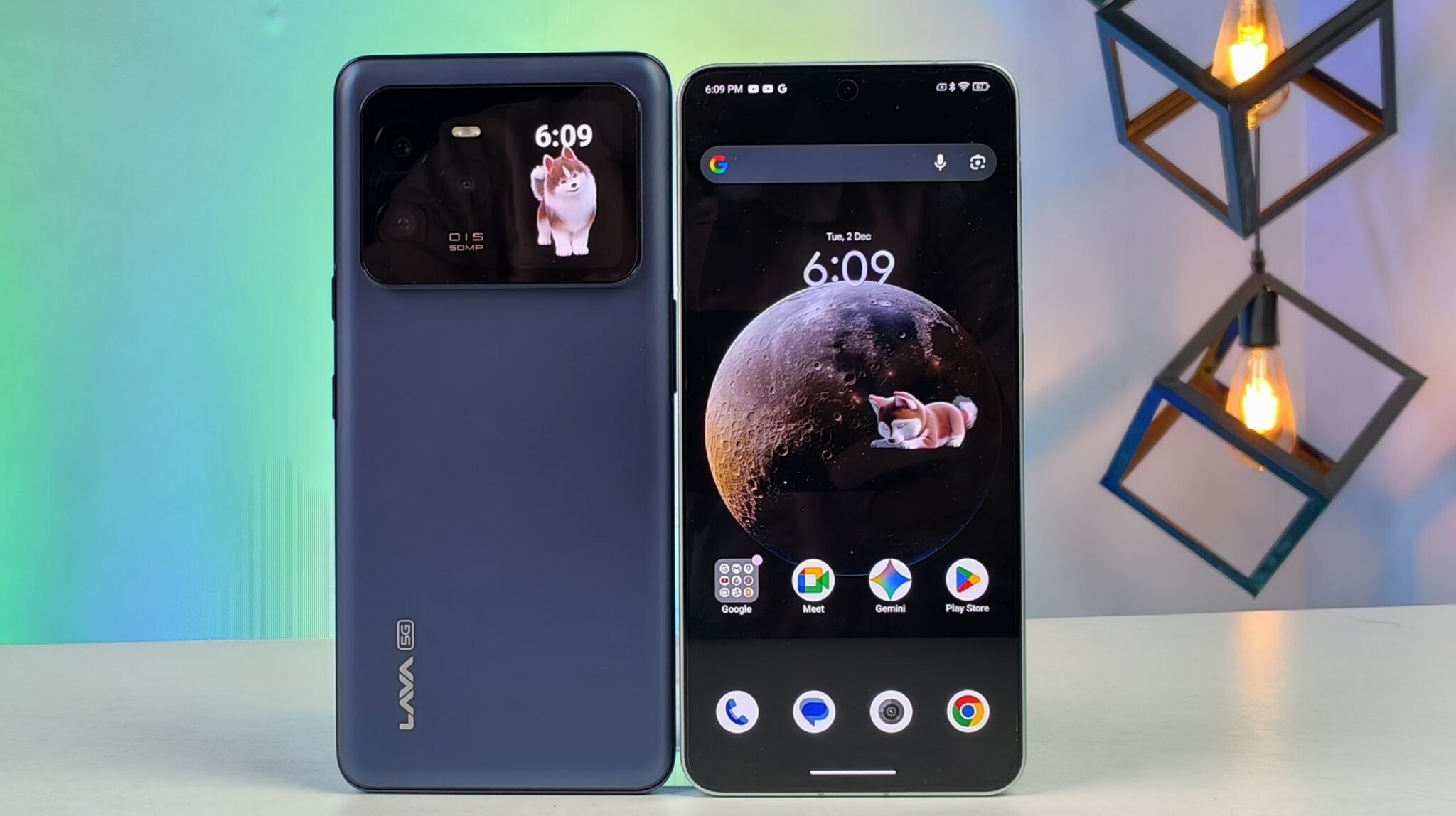
Lava has consistently pushed the boundaries of what Indian consumers expect from mid-range smartphones. Last year, the Lava Agni 3 grabbed headlines with its dual-screen form factor, offering a rear display that served as a viewfinder and notification hub. It was a bold move that set the phone apart in a crowded market. Now, with the release of the Lava Agni 4 5G, the company seems to have pivoted. I have spent the last two weeks using both devices side-by-side to understand if the newer model is a strict upgrade or if it takes a different path entirely. The Agni 4 drops the rear screen “gimmick” for raw power and a premium metal build, but it also leaves behind the telephoto lens that made the Agni 3 a photographer’s favorite. This review breaks down exactly which phone offers better value for your specific needs.
Key Takeaways
- Performance Shift: The Lava Agni 4 brings a major speed boost with the MediaTek Dimensity 8350 chipset, scoring over 1.4 million on AnTuTu, compared to the Agni 3’s Dimensity 7300X.
- Design Philosophy: Agni 4 ditches the Agni 3’s unique rear secondary display for a cleaner, metal-frame design and a customizable Action Key.
- Camera Trade-off: While the Agni 4 adds 4K 60fps recording and a high-res 50MP selfie shooter, it drops the dedicated 3x telephoto lens found on the Agni 3.
- Software Evolution: The Agni 4 introduces “Vayu AI” features on top of Android 15, whereas Agni 3 runs a cleaner, stock-like Android 14.
- Display: Both phones offer 1.5K AMOLED panels, but the Agni 4 increases peak brightness to 2400 nits.
Design and Build Quality

Holding both phones, the difference in design philosophy is immediate. The Lava Agni 3 feels substantial, partly due to the glass back and the camera module that houses the secondary screen. That rear display was a conversation starter. I used it often to take high-quality selfies with the main camera or to quickly check Spotify controls without flipping the phone. However, the phone is heavy at 212g, and the curved front display, while premium-looking, often registered accidental touches during one-handed use.
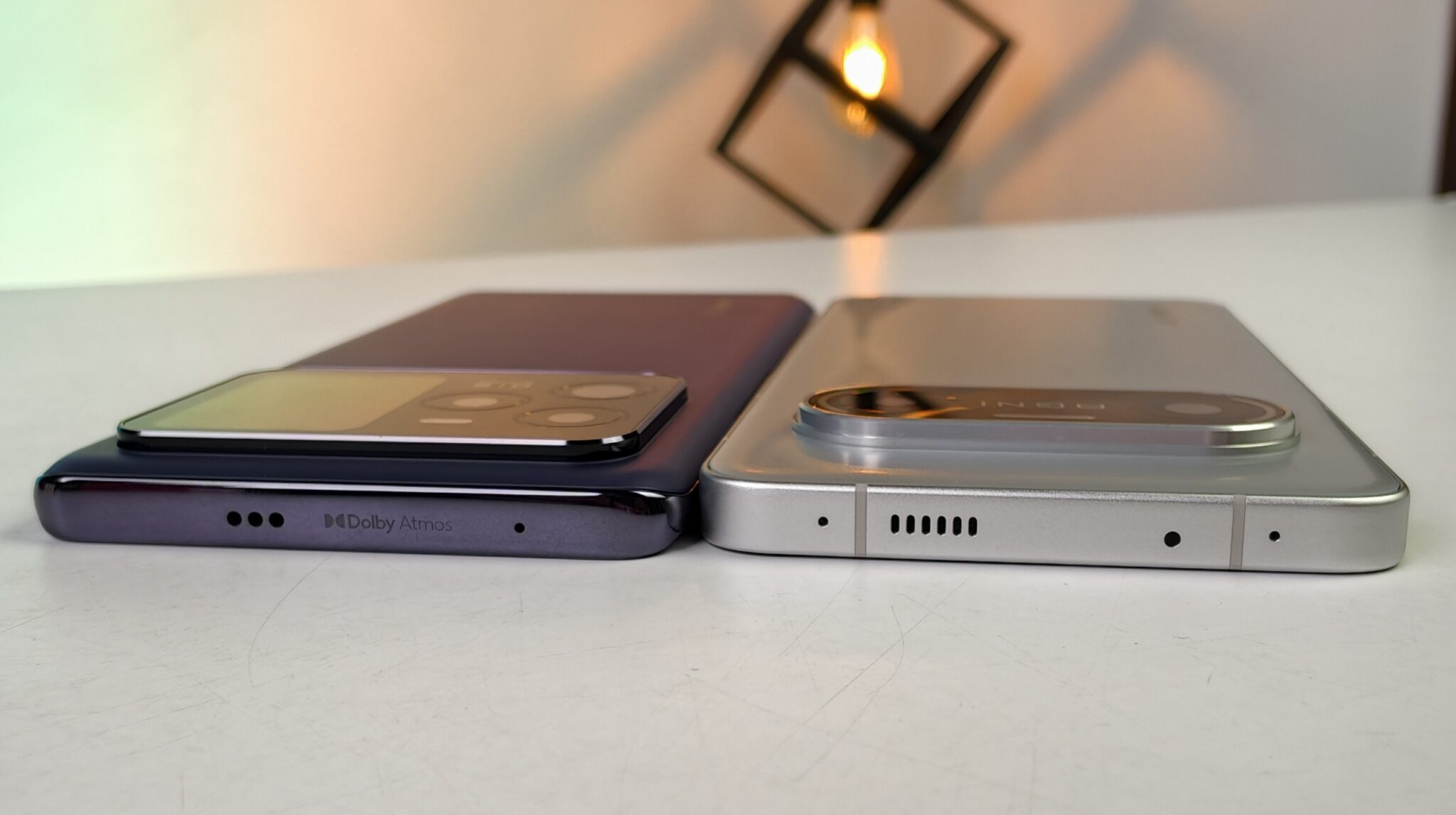
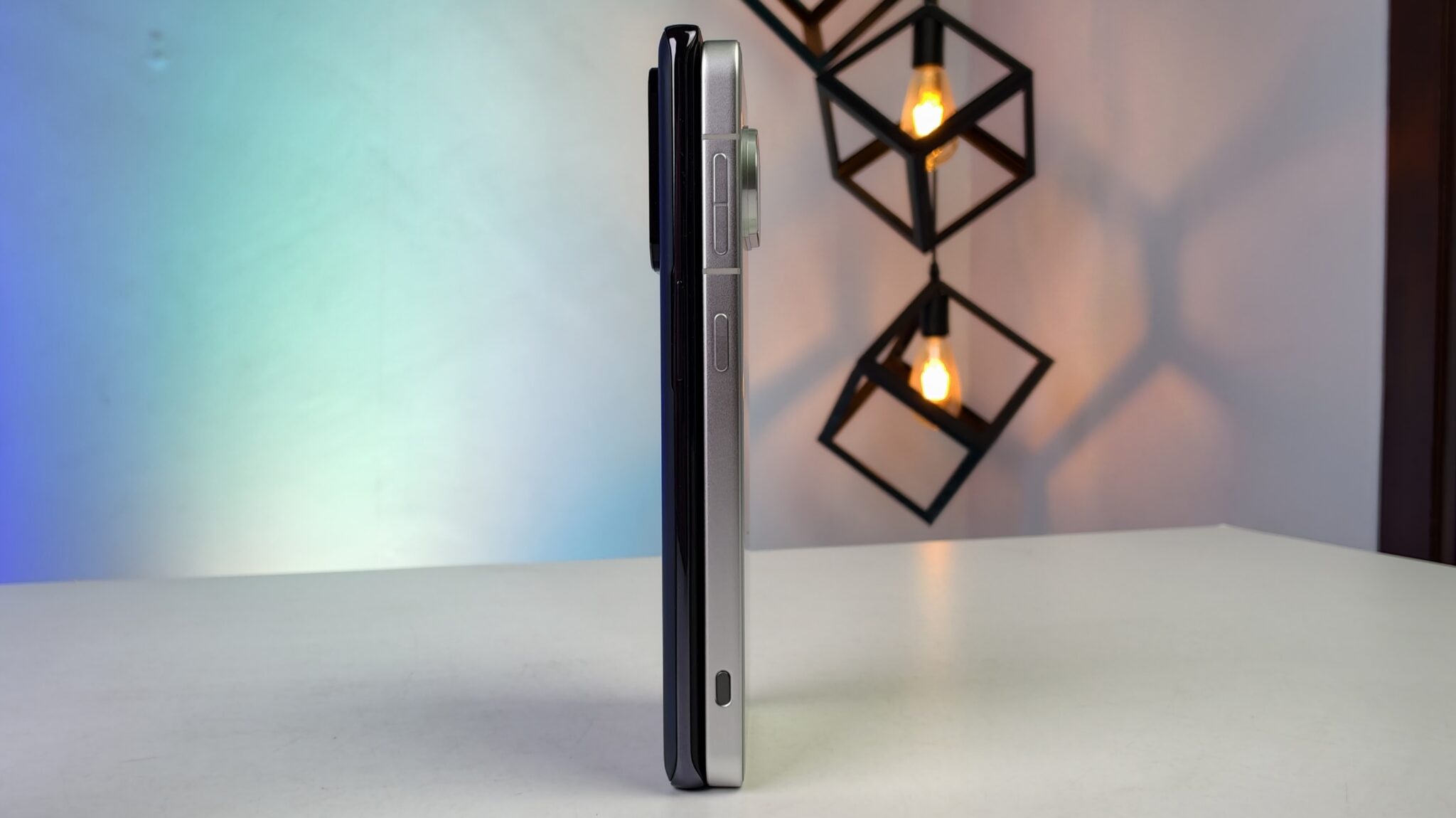

The Lava Agni 4 takes a more industrial, refined approach. It features an aluminium alloy frame that feels cool to the touch and far more rigid than the Agni 3’s frame. The “Lunar Mist” color variant I tested has a matte AG glass back that resists fingerprints exceptionally well. Lava has removed the rear display here, replacing it with a pill-shaped camera module and a customizable “Action Key” on the side, similar to recent flagship trends. This button is genuinely useful; I mapped it to open the flashlight with a long press and launch the camera with a double click. The Agni 4 is slightly lighter at 208g and feels more balanced in the hand. If you prefer durability and ergonomics over flashy features, the Agni 4 wins this round.
Display Experience

Both devices sport “1.5K” resolution AMOLED panels, but the execution differs. The Agni 3 uses a 6.78-inch curved screen. Curves look modern but can distort content at the edges. Watching movies on the Agni 3 is enjoyable, with deep blacks and punchy colors, but the peak brightness of 1200 nits sometimes struggles under direct noon sunlight.

The Agni 4 switches to a slightly smaller 6.67-inch panel, which appears flatter, reducing glare and accidental touches. The biggest upgrade here is visibility. The panel hits a peak brightness of 2400 nits. Using the Agni 4 outdoors to read maps or check messages is a breeze; the text remains crisp and legible even under harsh lighting. Both phones support a 120Hz refresh rate, making scrolling and animations look fluid. While the Agni 3 offers more screen real estate, the Agni 4 delivers superior brightness and practical usability.
Performance and Gaming

This is where the Lava Agni 4 creates a wide gap. The Agni 3 runs on the MediaTek Dimensity 7300X. It is a capable chip for daily tasks. I played Call of Duty: Mobile on the Agni 3, and it held up well at “High” graphics settings, though I noticed occasional frame drops during intense firefights after 30 minutes of play.
The Agni 4 packs the MediaTek Dimensity 8350. The difference is not just on paper; it is palpable. App opening times are instant. The UFS 4.0 storage (compared to UFS 3.1 on the Agni 3) allows for faster file transfers and game load times. In my testing, the Agni 4 handled Genshin Impact at medium-to-high settings with a stable framerate, something the Agni 3 struggled to maintain. The phone also stayed cooler during extended sessions, likely due to the metal frame dissipating heat better than the Agni 3’s chassis. For power users and gamers, the Agni 4 is the clear choice.
Software and AI Features

Lava built a reputation for providing a “clean” Android experience, and the Agni 3 reflects that. It runs a near-stock version of Android 14. There is zero bloatware, no ads in the notification shade, and the UI feels lightweight. It is a purist’s delight.
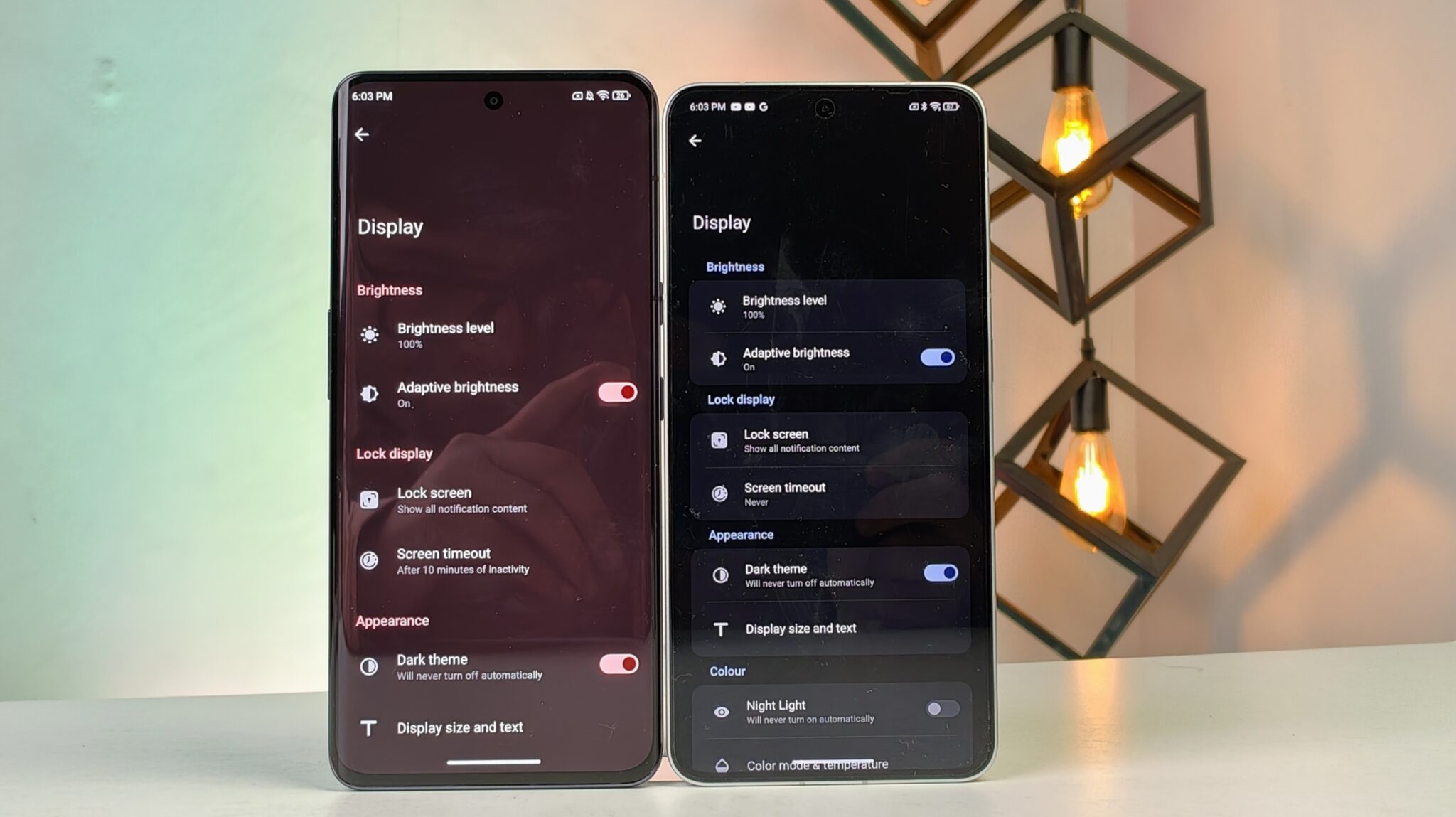

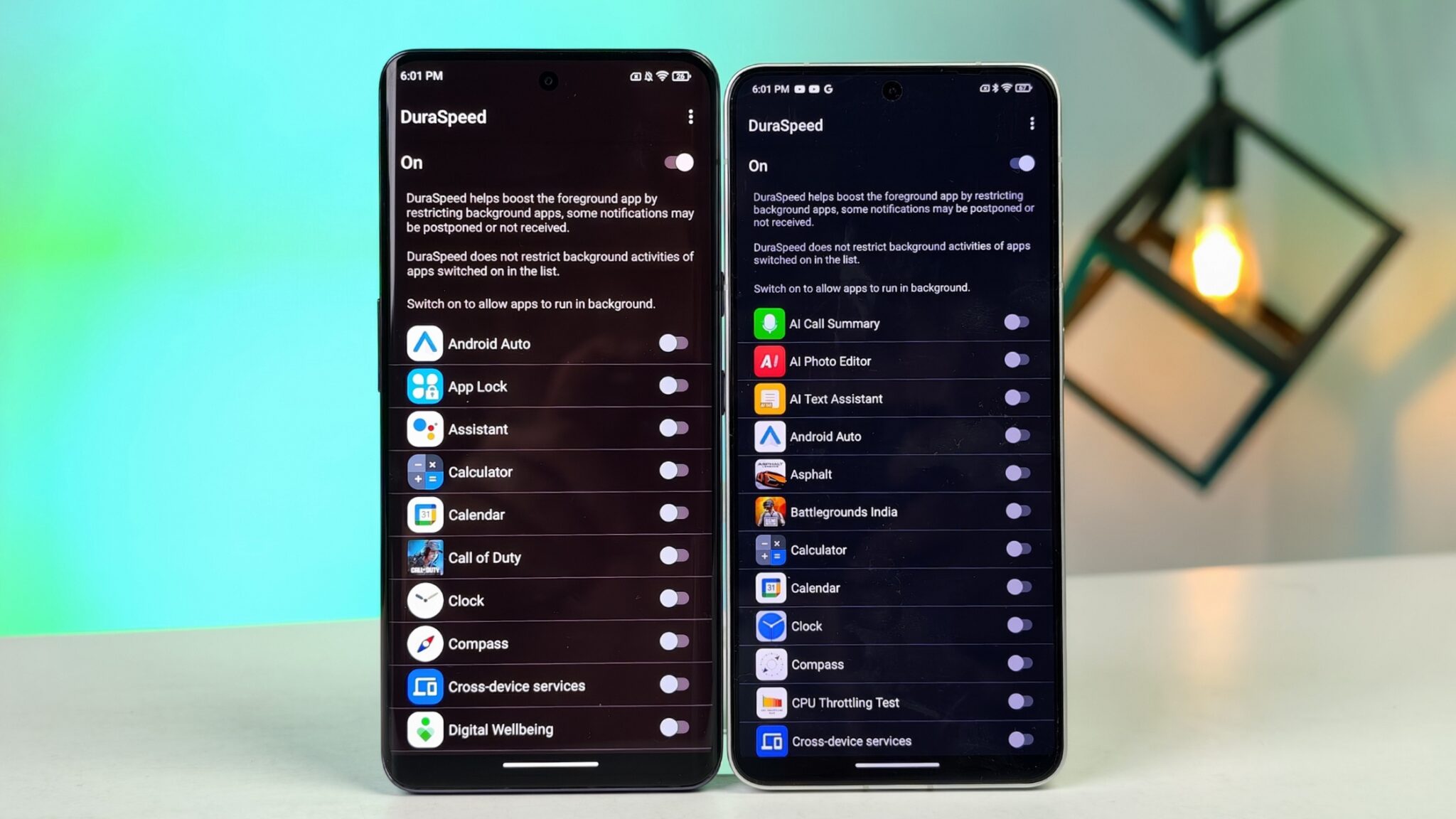
The Agni 4 runs Android 15 and introduces “Vayu AI.” This is Lava’s attempt to integrate artificial intelligence into the daily workflow. Vayu AI includes features like an AI photo eraser, text summarization, and a conversational assistant. I found the AI eraser useful for removing stray objects from photos, though it is not as precise as pixel-level editing tools from top-tier flagships.
The AI text assistant helped me draft quick email replies. However, the software feels slightly heavier than the Agni 3’s interface. While the AI features are fun, some users might prefer the lean simplicity of the Agni 3. Both phones promise 3 major Android updates and 4 years of security patches, which is excellent support for this price segment.
Camera Performance

The camera comparison reveals a fascinating split in priorities.
Lava Agni 3: The Agni 3 features a 50MP main sensor, an 8MP ultrawide, and—crucially—an 8MP telephoto lens with 3x optical zoom. This telephoto lens is a rare gem in this segment. I captured portrait shots with the 3x lens that had natural compression and great subject separation. The 50MP main camera takes solid daylight photos with good dynamic range. The rear screen allows you to use these powerful rear cameras for selfies, resulting in incredibly detailed self-portraits that far outclass standard front cameras.
Lava Agni 4: The Agni 4 removes the telephoto lens entirely. Instead, it relies on a 50MP main camera (with OIS) and an 8MP ultrawide. To compensate, Lava has upgraded the main sensor’s processing and the front camera. The selfie shooter is now a 50MP unit capable of 4K 60fps video recording. The rear main camera also records 4K at 60fps, which is smoother than the Agni 3’s 30fps cap.

In daylight, the Agni 4’s main camera captures slightly sharper images than the Agni 3, likely due to the better ISP on the Dimensity 8350. However, once you zoom in, the digital crop cannot match the optical quality of the Agni 3’s telephoto lens. If you zoom beyond 2x on the Agni 4, details become watercolor-like. On the flip side, if you are a vlogger or content creator, the Agni 4 is superior. The 4K 60fps stabilization is impressive, and the front camera quality is fantastic for video calls and reels.
Battery and Charging

Both devices come with a 5000mAh battery and support 66W fast charging. The real-world endurance differs slightly due to the processors. The Dimensity 7300X in the Agni 3 is efficient, easily lasting a full day of mixed use with about 15% left in the tank. The Agni 4, despite having a more powerful chip, matches this performance, likely due to the efficiency gains of the newer manufacturing process and Android 15 optimizations.
Charging speeds are identical. I plugged both phones in at 5% battery, and they reached 50% in roughly 20 minutes. A full charge takes just under an hour. It is a reliable system, though not the fastest in the industry anymore.
Key Product Specifications
Lava Agni 3
- Display: 6.78-inch 1.5K Curved AMOLED, 120Hz, 1200 nits (peak)
- Secondary Display: 1.74-inch AMOLED (Rear)
- Processor: MediaTek Dimensity 7300X (4nm)
- RAM/Storage: 8GB LPDDR5, 128GB/256GB UFS 3.1
- Rear Cameras: 50MP Main (OIS), 8MP Telephoto (3x Optical), 8MP Ultrawide
- Front Camera: 16MP
- Battery/Charging: 5000mAh, 66W Fast Charging
- Build: Glass Back, Plastic Frame
- OS: Android 14 (Clean UI)
Lava Agni 4 5G
- Display: 6.67-inch 1.5K AMOLED, 120Hz, 2400 nits (peak)
- Processor: MediaTek Dimensity 8350 (4nm)
- RAM/Storage: 8GB LPDDR5X, 256GB UFS 4.0
- Rear Cameras: 50MP Main (OIS), 8MP Ultrawide
- Front Camera: 50MP (4K 60fps support)
- Battery/Charging: 5000mAh, 66W Fast Charging
- Build: Aluminium Alloy Frame, Matte AG Glass Back
- OS: Android 15 with Vayu AI
- Colors: Phantom Black, Lunar Mist
Verdict

The decision between the Lava Agni 3 and Lava Agni 4 comes down to what you value more: versatility or raw performance.
The Lava Agni 3 remains a unique device. If you love photography specifically portraits and zoom shots-the telephoto lens is a feature you will miss on the newer model. The rear display also offers a fun, practical way to take the best possible selfies using the main sensor. It is a phone for the enthusiast who wants something different.

The Lava Agni 4 is the more mature, mainstream powerhouse. It fixes the bulkiness of its predecessor, doubles down on processing speed, and offers a display that is usable in any lighting condition. The loss of the telephoto lens is a sting, but the addition of 4K 60fps video and a high-quality native selfie camera makes it a better tool for video creators and gamers. If you want a phone that feels fast, lasts long, and handles heavy apps with ease, the Agni 4 is the superior upgrade.
Frequently Asked Questions (FAQs)
Q1: Does the Lava Agni 4 have a curved display like the Agni 3?
A1: No, the Lava Agni 4 uses a flatter panel design compared to the deep curves of the Agni 3. This helps prevent accidental touches and improves durability, though it might look less “futuristic” to some users.
Q2: Can I use the Action Key on the Lava Agni 4 for gaming?
A2: The Action Key is primarily designed for system shortcuts like launching the camera, flashlight, or specific apps. While you can map it to open a game, it does not function as a capacitive shoulder trigger (like on gaming phones) for in-game actions.
Q3: Which phone is better for vlogging?
A3: The Lava Agni 4 is better for vlogging. It supports 4K 60fps recording on both the front and rear cameras, providing smoother footage than the Agni 3, which tops out at 4K 30fps on the rear and 1080p on the front.
Q4: Is the battery life significantly different between the two?
A4: Not significantly. Both phones use a 5000mAh battery. While the Agni 4 has a more powerful processor, it is also efficient. You can expect a full day of use from either device under normal conditions.
Q5: Does the Agni 4 support the rear display features of the Agni 3?
A5: No, the Lava Agni 4 does not have a secondary rear display. It replaces that feature with a conventional design and the new Action Key.
Q6: Is the storage expandable on these phones?
A6: Neither phone has a microSD card slot. You must choose the storage variant (128GB or 256GB) carefully at the time of purchase.


