


The Ray-Ban Wayfarer is perhaps the most recognizable frame in history. When you add cameras and microphones to such an iconic design, the risk is turning a fashion staple into a clunky gadget. Fortunately, the Ray-Ban Meta Wayfarer avoids this trap completely. I have been testing the Matte Black variant with Clear Blue Light Filter lenses, and my experience suggests this is the first piece of “smart” eyewear that actually feels like normal eyewear.
At ₹29,900, these glasses sit in a premium segment in the Indian market. They are not just replacing your headphones; they are attempting to replace your need to pull your smartphone out of your pocket every two minutes. After using them extensively, from commuting on the Delhi Metro to working long hours in front of a monitor, I have a clear picture of where they succeed and where they struggle.
Key Takeaways
- Design: The Matte Black finish and classic Wayfarer shape (Size 50-M) look identical to standard sunglasses, maintaining a low profile.
- Visuals: The Clear Blue Light Filter lenses make this a viable all-day wearable for office workers, not just an outdoor accessory.
- Camera: The 12MP camera captures surprisingly sharp vertical content, perfect for Instagram Stories and Reels.
- Audio: Open-ear speakers provide excellent directional sound, allowing you to hear traffic while listening to music or calls.
- AI in India: “Hey Meta” supports voice commands, and recent updates have brought Hindi language support and local features, though some complex visual AI query features may vary by region.
Design and Comfort
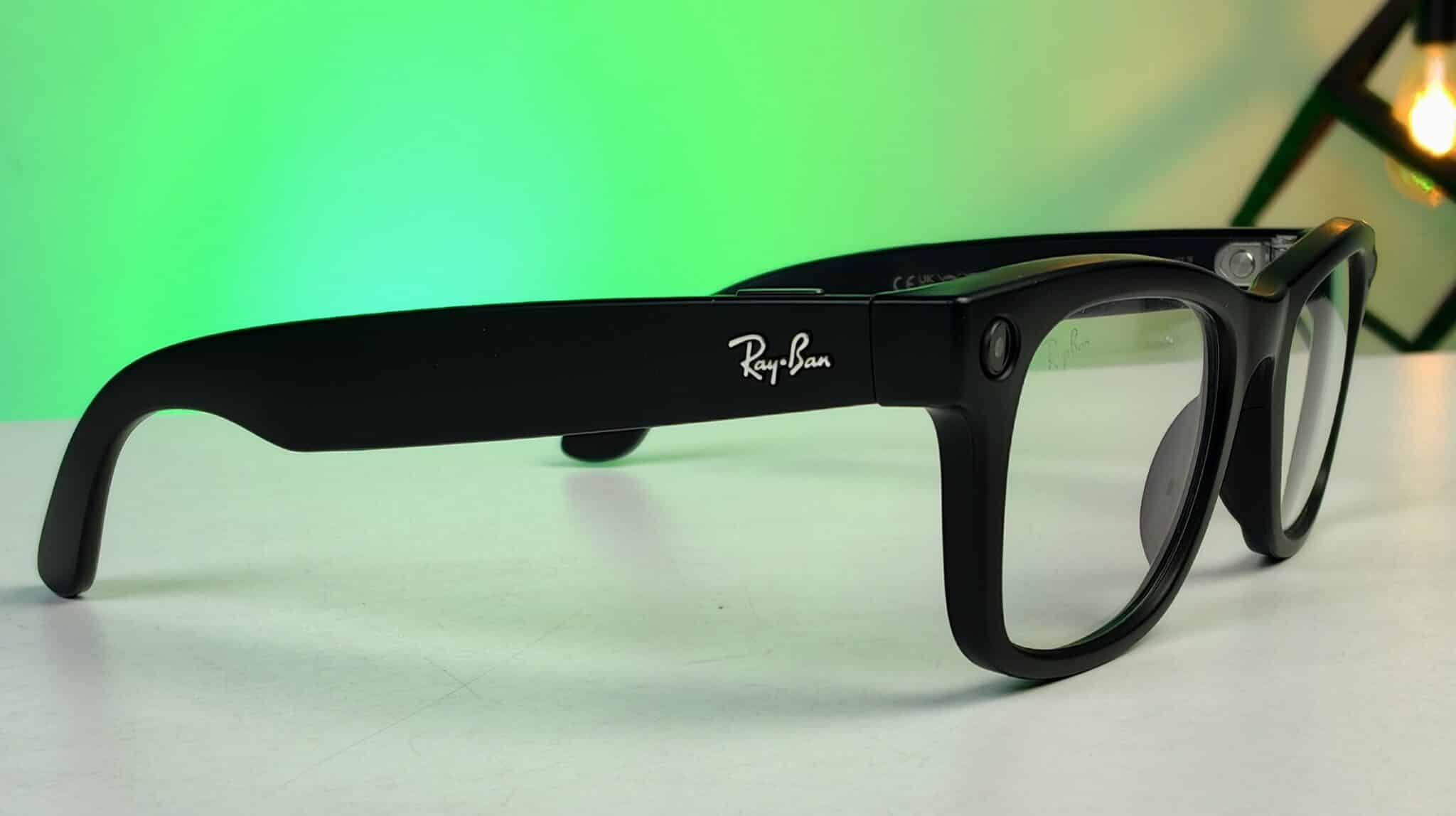
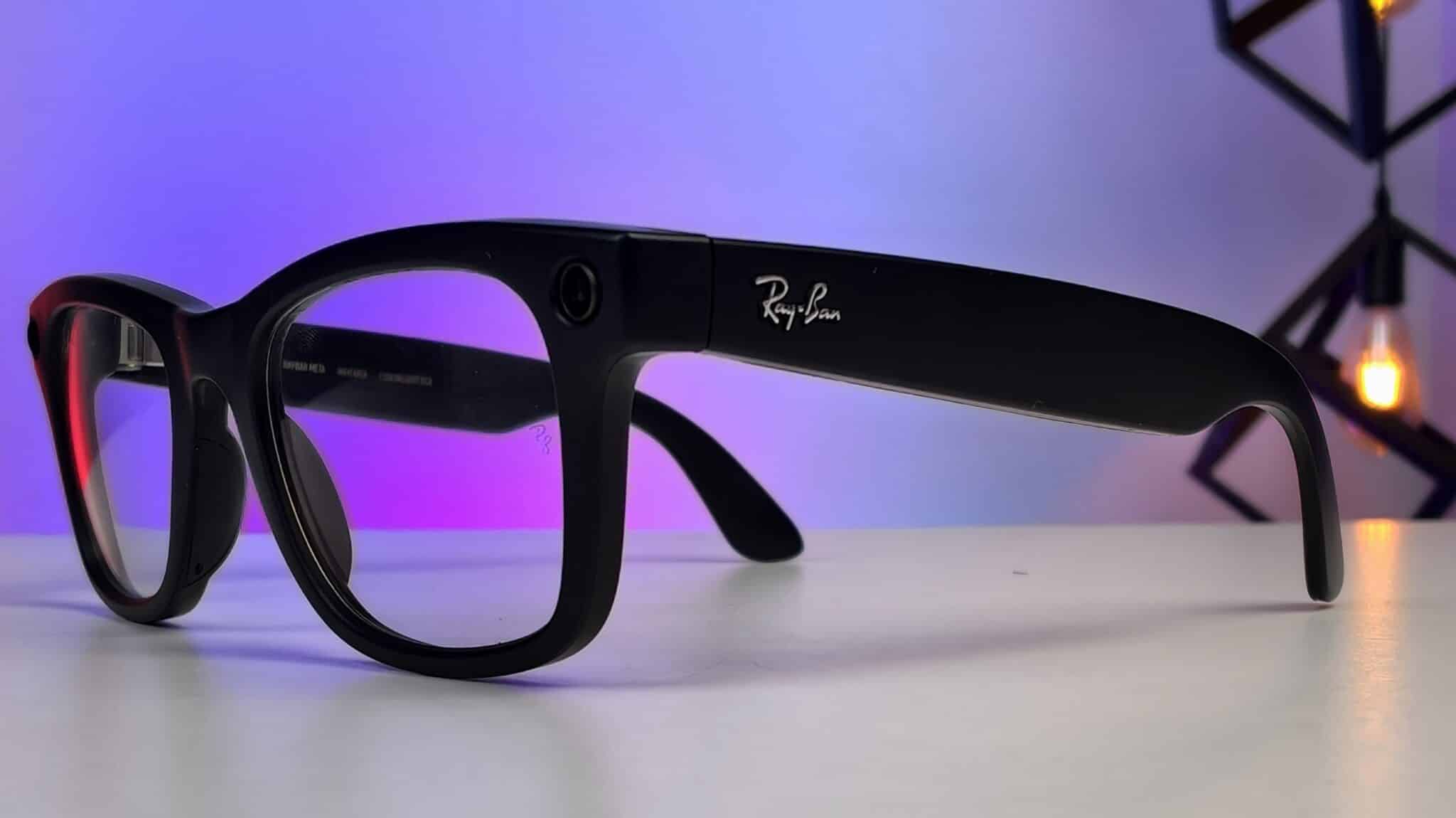
The first thing I noticed when unboxing the Ray-Ban Meta Wayfarer was the weight – or rather, the lack of it. At roughly 48 to 50 grams, they are slightly heavier than a standard pair of acetate Wayfarers, but the difference is negligible once they are on your face.
The Matte Black finish feels premium and resists fingerprints better than the shiny alternatives. The Size 50-M fits my medium-sized face well, though if you have a broader face, you might want to look at the Large (53) size. The arms are slightly thicker than standard Wayfarers to house the battery and speakers, but they don’t feel bulky.

A subtle LED light sits near the camera lens. This is a privacy indicator that flashes when you record. In bright Indian daylight, it can be faint, but indoors, it is clearly visible to others.
Lens Performance: Clear Blue Light Filter

Our review unit came with Clear Blue Light Filter lenses. This is a crucial distinction from the sunglasses variants. These are not just for outdoor use; they are designed to be worn indoors, at your desk, and into the evening.
I found the blue light filtering effective without adding a distracting yellow tint that some cheaper computer glasses have. The lenses are crystal clear. For someone who stares at screens for 8-10 hours a day, having the smart features integrated into my “work glasses” was a productivity boost. I could take calls without reaching for a headset.
Note on other options: While I tested the clear variant, the product line also offers Graphite Gradient Polarized lenses. If you plan to use these primarily for driving or outdoor travel, the polarized option would be superior for glare reduction.
Camera and Video Recording
The standout feature is the 12MP ultra-wide camera located on the left hinge. It shoots 1440×1920 video—a vertical aspect ratio natively designed for mobile consumption.
Image Quality: In good lighting, the photos are sharp, with decent dynamic range. The color science leans towards a natural look, unlike the oversaturated processing we often see in smartphones. I took several shots of street markets, and the glasses handled the chaotic mix of colors and movement well.
Video Performance: The video stabilization is the real star here. Walking down a bumpy road or climbing stairs usually results in shaky footage on other devices. The Ray-Ban Meta applies heavy stabilization that makes the footage look almost gimbal-smooth. The audio capture during video is also immersive; the 5-mic array captures sound from the direction you are looking, filtering out some wind noise.
The Limitation: Low light is the enemy. Once the sun goes down or you enter a dimly lit café, the footage becomes grainy. These are small sensors, and they cannot compete with a flagship smartphone in the dark.
Audio Quality and Call Performance

Audio is delivered via open-ear speakers located in the arms, firing sound directly into your ears.
Music: The soundstage is surprisingly wide. You won’t get the chest-thumping bass of an in-ear monitor, but the clarity is impressive. Vocals are crisp, and there is enough bass to enjoy pop and rock tracks. The best part is “situational awareness.” I could walk through a busy intersection listening to a podcast while still hearing the honk of an auto-rickshaw behind me. This safety factor is a major advantage over noise-cancelling headphones in India.

Calls: I took several calls while walking outside. The microphones do a commendable job of isolating my voice. People on the other end reported that I sounded clear, though they could hear faint background traffic noise when a bus passed close by.
Leakage: At volume levels above 60%, people sitting next to you in a quiet elevator or office will hear a tinny version of your music. In a noisy environment like a metro train or a café, leakage is not an issue.
Smart Features and Meta AI

The integration with the Meta View app is smooth. Pairing takes seconds.
Meta AI: You activate the assistant by saying “Hey Meta.” In the Indian context, this feature has become more useful recently. You can ask for weather updates, general knowledge, or to control the glasses (e.g., “Hey Meta, take a photo”).

I tested the localized features which are rolling out. The ability to send a photo directly to WhatsApp via voice command is fantastic for quick sharing. However, users should be aware that some advanced multimodal features (like “Look and tell me what this fruit is”) rely on server-side updates and internet connectivity. I found the response time to be generally quick, though it depends heavily on your 4G/5G signal strength.
Battery Life and Charging

The official spec rates the battery at 4 hours of single use. In my testing, this figure is accurate for mixed usage. If you are recording back-to-back videos and listening to music at full volume, expect closer to 3 hours.
The charging case is a lifesaver. It looks like a classic leather Ray-Ban case but has a USB-C port and an internal battery that can recharge the glasses multiple times (up to 32 hours total). You just drop the glasses in, and they charge via the nose bridge connectors. A quick 20-minute stay in the case gives you enough juice for a few more hours.
Key Product Specifications
- Model: Ray-Ban Meta Wayfarer
- Variant: Matte Black, Clear Blue Light Filter
- Size: 50-M (Standard)
- Camera: 12MP Ultra-wide (Image: 3024x4032px | Video: 1440×1920 @ 30fps)
- Audio: 2 Custom-Built Open Ear Speakers, 5 Mic Array
- Processor: Snapdragon AR1 Gen 1
- Storage: 32GB (Stores 500+ photos or 100+ 30s videos)
- Battery: Up to 4 hours single charge (varies by use); Charging case provides additional charges
- Connectivity: Wi-Fi 6, Bluetooth 5.3
- Water Resistance: IPX4
- Weight: Approx. 48-50g
- Price: ₹29,900
Verdict

The Ray-Ban Meta Wayfarer is the best implementation of smart glasses available today for the general consumer. It succeeds because it prioritizes being “good glasses” first and “smart technology” second.
For the Indian user, the price of ₹29,900 is steep, but when you consider you are getting a high-end pair of Ray-Bans, a decent pair of open-ear headphones, and a hands-free camera in one package, the value proposition makes sense. If you are a content creator, a tech enthusiast, or someone who wants to disconnect from their phone screen without losing connectivity, these are highly recommended. However, if you need night-time video recording or 12-hour continuous battery life, you might want to wait for future generations.
Frequently Asked Questions (FAQs)
Q1: Can I get prescription lenses for the Ray-Ban Meta Wayfarer?
A1: Yes, the Ray-Ban Meta Wayfarer supports prescription lenses. You can order them directly from Ray-Ban or have a certified optician fit them for you.
Q2: Are these glasses waterproof?
A2: They have an IPX4 rating, which means they are water-resistant and can handle sweat or light rain. They are not fully waterproof, so you should not submerge them or wear them in heavy downpours.
Q3: Does “Hey Meta” work in Hindi?
A3: Meta has begun rolling out support for Hindi and other local nuances in India. Basic commands work well, and the AI is becoming increasingly improved for Indian accents and languages.
Q4: How do I transfer photos to my phone?
A4: The glasses connect to the “Meta View” app on your smartphone via Wi-Fi/Bluetooth. Photos and videos sync automatically or manually when you open the app.
Q5: Is the battery user-replaceable?
A5: No, the battery is built into the arms of the frames and is not user-replaceable.
Q6: Can I listen to music from apps other than Spotify?
A6: Yes, the glasses work like standard Bluetooth headphones. You can listen to audio from YouTube, Apple Music, Amazon Music, or any other source on your paired phone.
Q7: Do I need a Facebook account to use them?
A7: Yes, you need a Meta account (which can be a Facebook or Instagram account) to log in to the Meta View app and set up the device.


