
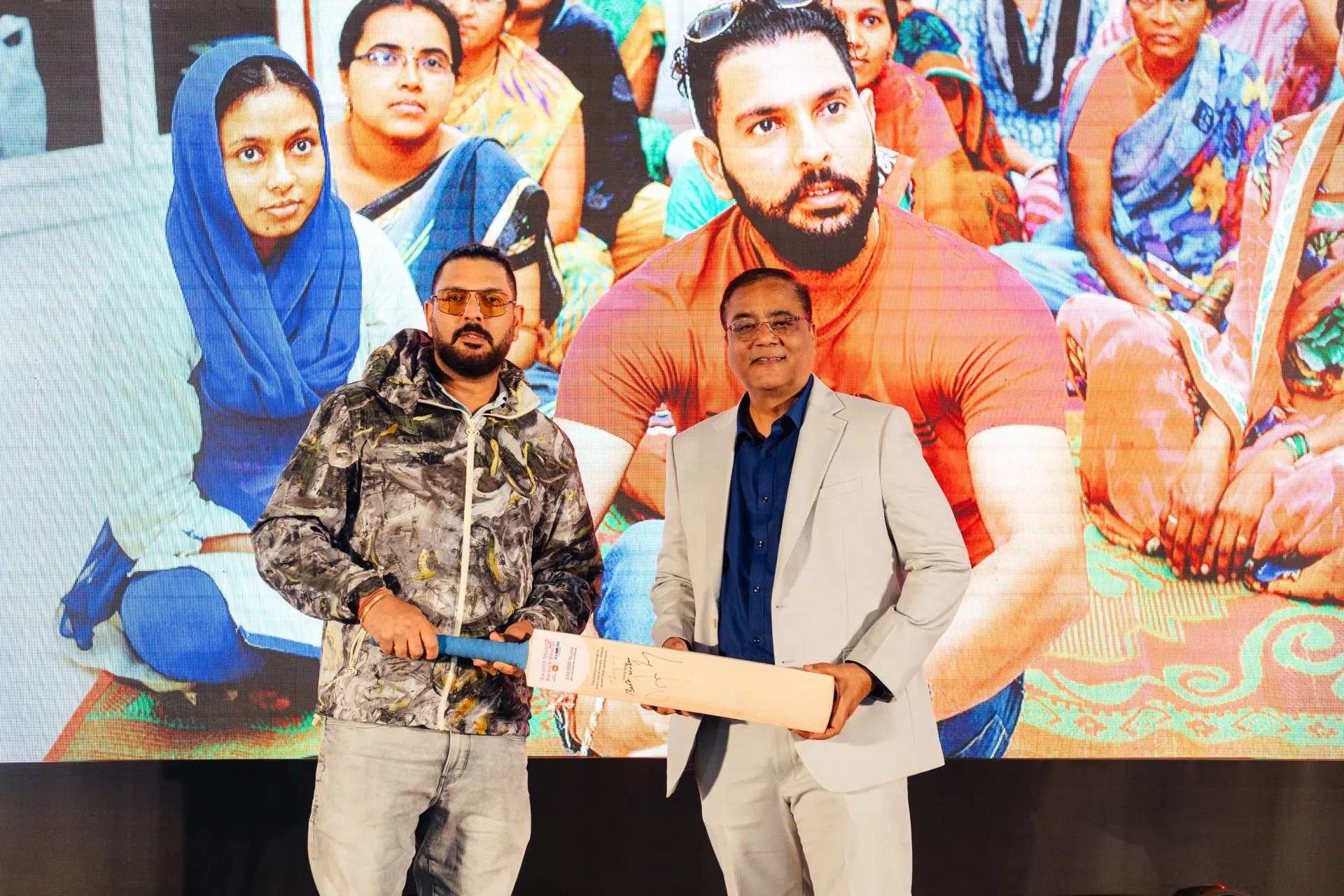
Xiaomi India and the Yuvraj Singh Foundation (YouWeCan) have announced the beginning of the second phase of their Swasth Mahila Swasth Bharat (SMSB) campaign. This initiative continues to place its focus on early breast cancer detection for women living in rural and semi-urban pockets across India. After completing a strong first phase that reached 1.5 lakh women, the partners are now preparing to bring screenings to another 60,000 women over the next six months. The project remains active in 15 districts across 15 states, areas where access to healthcare is often limited and, frankly, sometimes overlooked.
Key Takeaways
- Phase 1 Success: The campaign screened 1.5 lakh women and educated over 4 lakh women on breast health.
- Suspected Cases: The screenings identified 2,210 suspected cases. These women were connected to hospitals for further diagnosis and treatment.
- New Target: Phase 2 aims to reach 60,000 more women in the same 15 districts.
- Focus Areas: The renewed effort focuses on follow-up treatment, regular re-screening, and community advocacy.
- Technology: The initiative uses portable, radiation-free screening devices to perform quick exams in village camps.
Addressing a Critical Health Issue
Breast cancer remains the most common cancer affecting Indian women today, and this reality still feels heavy every time it is repeated. Late detection continues to be a major contributor to the high mortality rate. In many rural regions, mammography is either unavailable or avoided because of fear, hesitation, or simply a lack of awareness about what early screening can mean for long-term health.
The SMSB campaign tries to close this gap in a practical and almost reassuring way by taking screenings directly to the villages. The initiative uses a portable device called the iBreastExam. Since it is hand-held, radiation-free, painless, and capable of detecting lumps in just a few minutes, health workers can perform screenings in community spaces where women feel more at ease. It avoids the kind of intimidating hospital environment that discourages many first-time participants.
Impact in Aspirational Districts
The program prioritizes 15 aspirational districts selected by the government for focused development. These districts include Nuh in Haryana, Moga in Punjab, Baran in Rajasthan, Guna in Madhya Pradesh, and Dahod in Gujarat, among others. Each of these districts has its own set of healthcare challenges, and perhaps that is partly why the campaign’s impact feels especially meaningful here.
During the first phase, field teams interacted with and educated 4 lakh women on how to conduct self-breast examinations. This aspect, although simple, helps women continue monitoring their health long after the medical camp moves on to the next village. Out of 1.5 lakh screenings, 2,210 suspected cases were identified. The program ensured that every woman flagged during screening received guidance and referrals to medical centers where further evaluation could take place.
Phase 2: Building a Complete Care System
The second phase feels less like an expansion and more like an evolution of the system. It is not only about screening more women, although that remains central. Xiaomi India and YouWeCan have outlined three goals that aim to strengthen the support network around these screenings:
Better Referral Pathways: The program plans to improve the connection between screening camps and treatment centers so that no patient feels lost in the process of getting help.
Re-screening Protocols: Regular follow-up screenings will allow the teams to identify potential issues that might appear later, acknowledging that cancer detection is not always a one-time effort.
Community Advocacy: Local women will be trained as community advocates. These peer leaders can talk openly about breast cancer, break lingering stigma, and encourage other women to come forward for testing.
Strategic Alignment with Government Goals
This private initiative works collaboratively with the National Programme for Prevention and Control of Cancer, Diabetes, Cardiovascular Diseases and Stroke (NPCDCS). Aligning with a national framework helps ensure the work integrates smoothly with ongoing public health systems. It also means the initiative supports the broader national mission rather than functioning as a separate effort.
Sudhin Mathur, Chief Operating Officer at Xiaomi India, stated that the goal is to provide simple access to early screening and timely support. He noted that the stories from the ground show the real difference the initiative makes in women’s lives.
Yuvraj Singh, founder of YouWeCan and a cancer survivor himself, highlighted the importance of partnerships. He explained that real change happens when brands and foundations work together for a common purpose. He expressed gratitude for Xiaomi India’s dedication to driving meaningful impact.
Frequently Asked Questions
Q1: What is the Swasth Mahila Swasth Bharat campaign?
A1: It is a breast cancer screening initiative launched by Xiaomi India and the YouWeCan Foundation. It provides free screenings and education to women in underserved districts.
Q2: Which districts are covered under this campaign?
A2: The campaign covers 15 districts including Nuh (Haryana), Moga (Punjab), Baran (Rajasthan), Guna (MP), Dahod (Gujarat), Bahraich (UP), and Wayanad (Kerala), among others.
Q3: Is the screening process painful?
A3: No. The campaign uses the iBreastExam device, which is a hand-held, radiation-free tool. It is painless and non-invasive.
Q4: How many women have been screened so far?
A4: As of December 2025, the campaign has screened over 1.5 lakh women and aims to screen 60,000 more in the next six months.
Q5: What happens if a potential case is found?
A5: If the screening detects a suspected case, the program connects the patient to a partner treatment center or hospital for further diagnosis and medical care.