
After spending two solid weeks with the OnePlus 15, I have a lot of thoughts. My review unit is the 12GB RAM and 256GB storage model, decked out in the new Ultra Violet color. In a market where every phone looks the same and struggles to last a full day, OnePlus has thrown a massive 7,300mAh battery into this device. For ₹72,999, this phone is making a very specific promise: all the speed you need, with stamina you’ve probably forgotten is possible. But does it deliver, or are there too many compromises?
Key Takeaways
Here’s the quick summary of my experience:
- The Battery is Real: The 7300mAh battery is not a gimmick. This is a true two-day phone for most people. Even for a heavy user like me, it was difficult to kill in a single day.
- Performance is Top-Tier: The new Snapdragon 8 Elite Gen 5 is extremely fast. Combined with 12GB of LPDDR5X RAM, the phone handles everything from daily apps to heavy games without any lag.
- 165Hz Display is Smooth, But..The 165Hz screen is beautiful, bright, and fluid. However, telling the difference between this and a high-quality 120Hz panel is very difficult for most daily tasks.
- Cameras Are Good, Not Great: The triple 50MP camera system is capable, especially with its 3.5x optical zoom. It takes good photos, but it’s not the best in this high-priced segment. Video, however, at 4K 120fps, is a big highlight.
- Personalised AI is Subtle: The new AI features are present, but they run in the background. They don’t fundamentally change how you use the phone, which might be a good thing for those who just want a clean experience.
- Alert Slider is Gone: In a controversial move, OnePlus has removed the iconic alert slider and replaced it with a customizable “Plus Key” button.
Design and In-Hand Feel
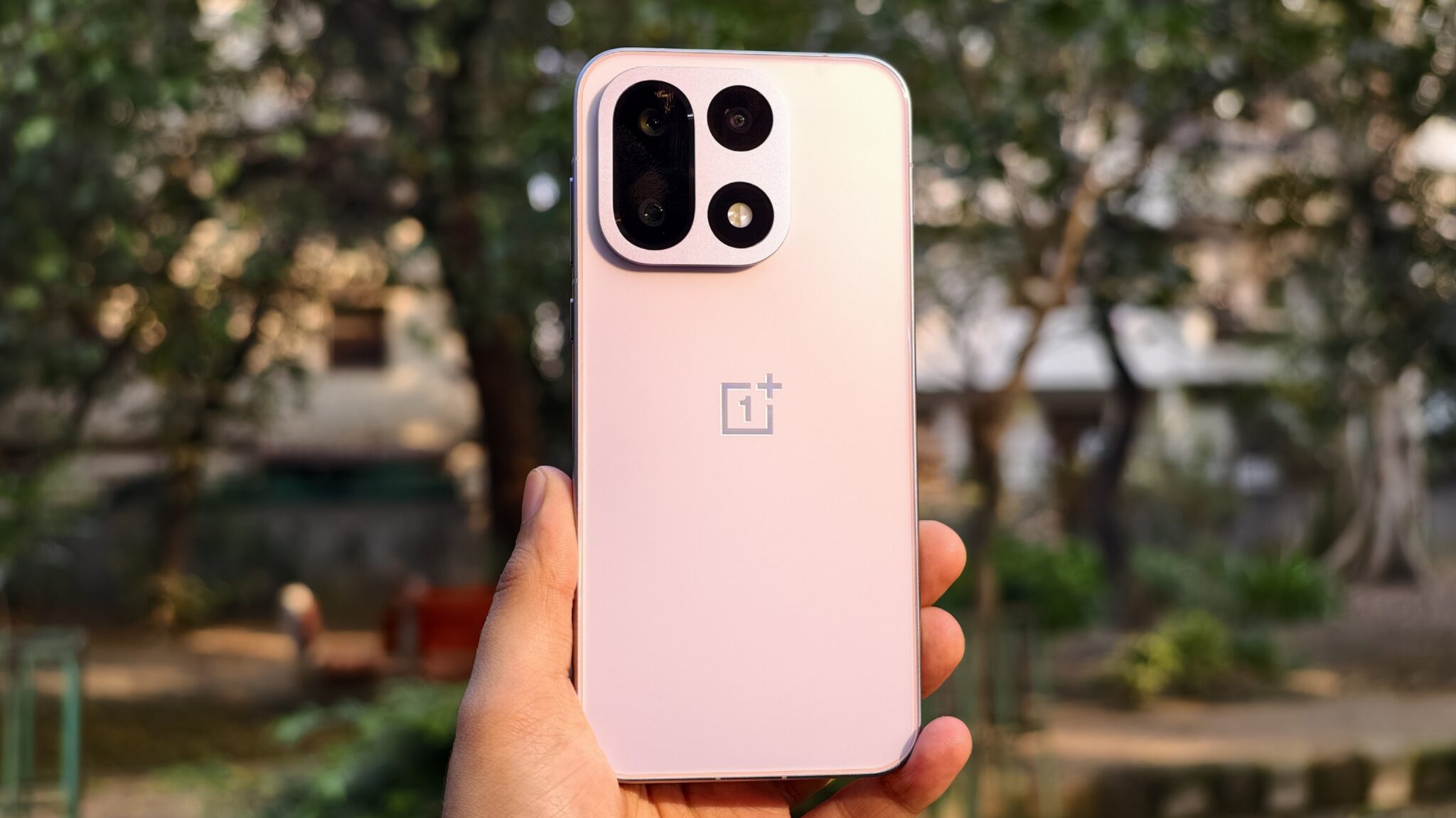
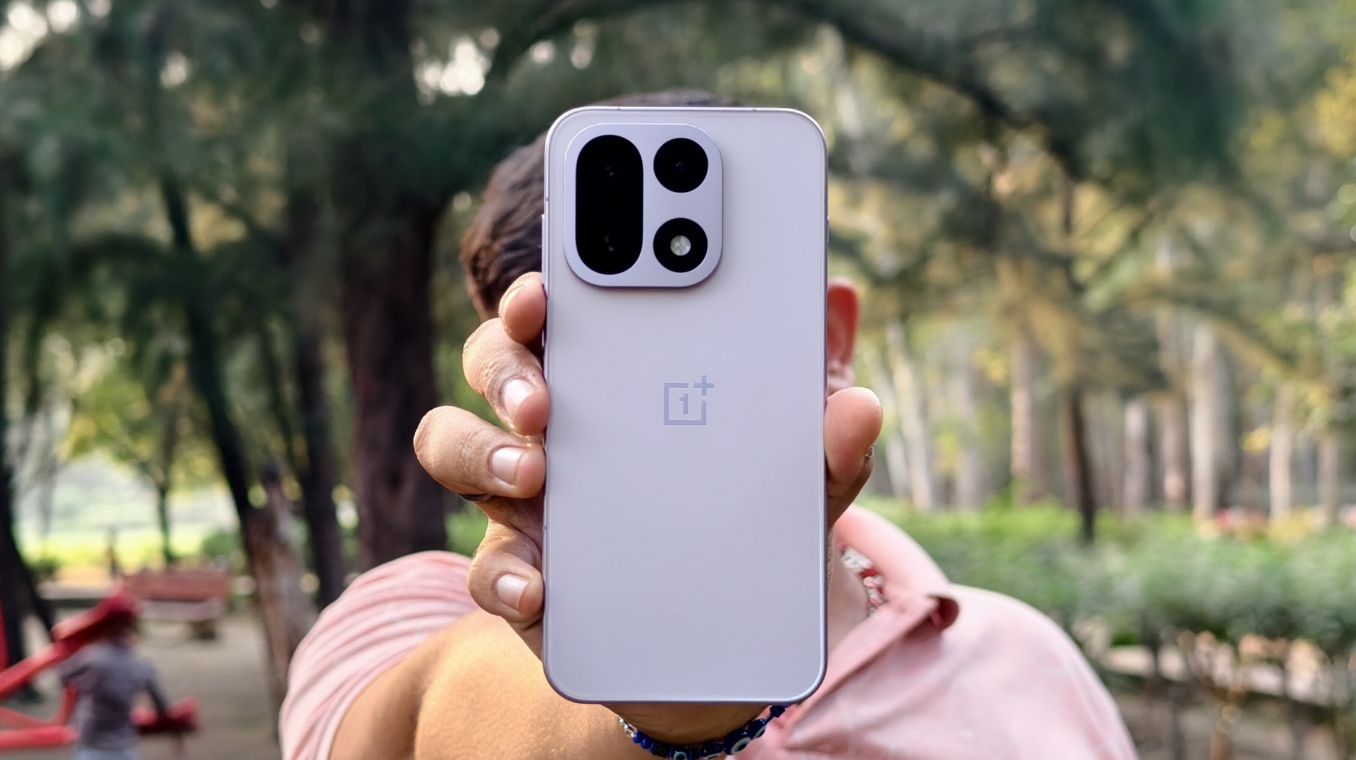
The first thing I noticed when I unboxed the OnePlus 15 was the Ultra Violet color. It’s not a loud, flashy purple. It’s a deep, matte finish that looks almost grey in low light and shifts to a rich violet under the sun. It does an excellent job of hiding fingerprints, which I appreciate. The phone feels dense and solid, a direct result of that huge battery inside. At 211 grams, it is noticeably heavier than many rivals, but the weight is well-balanced.
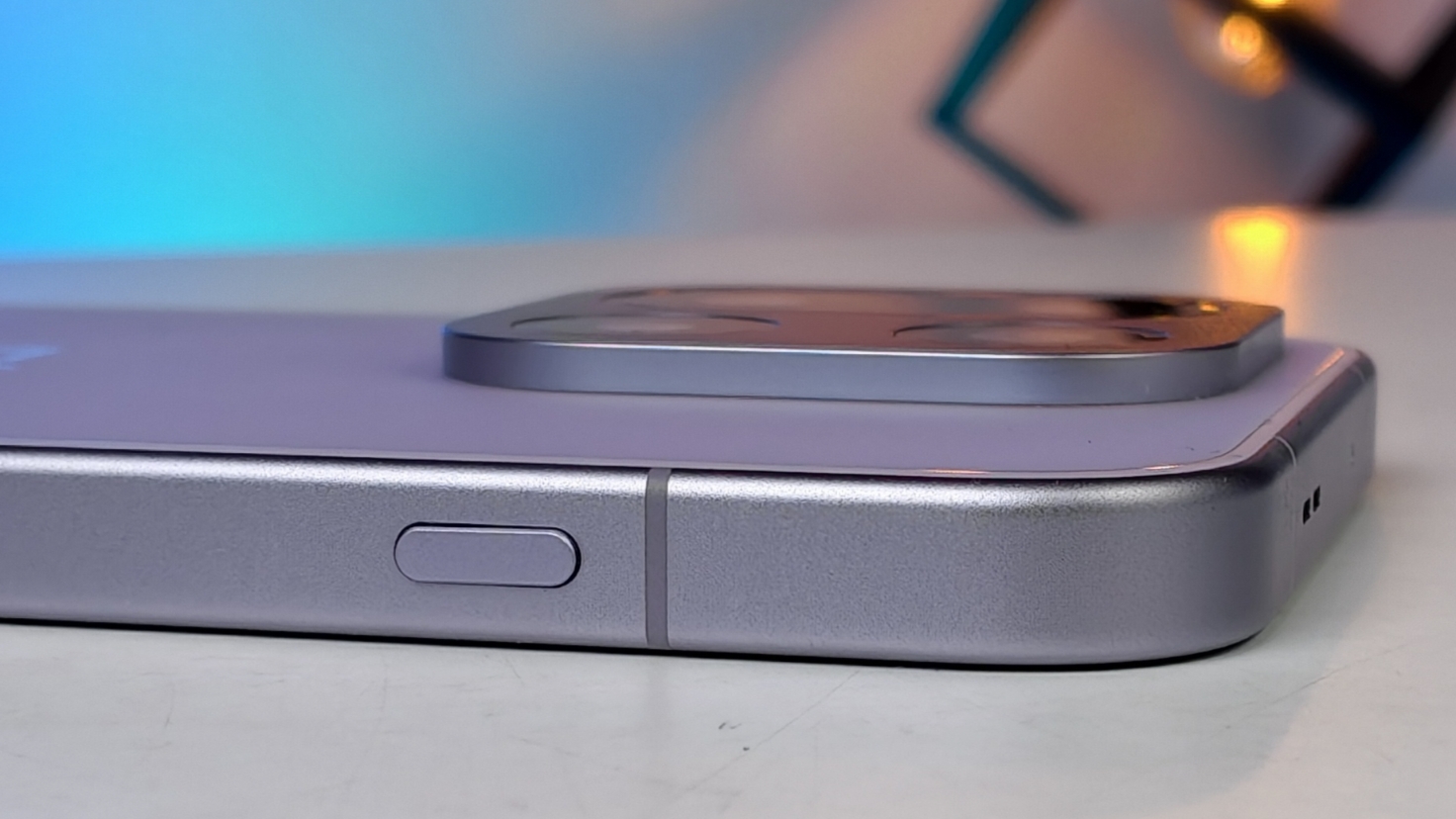
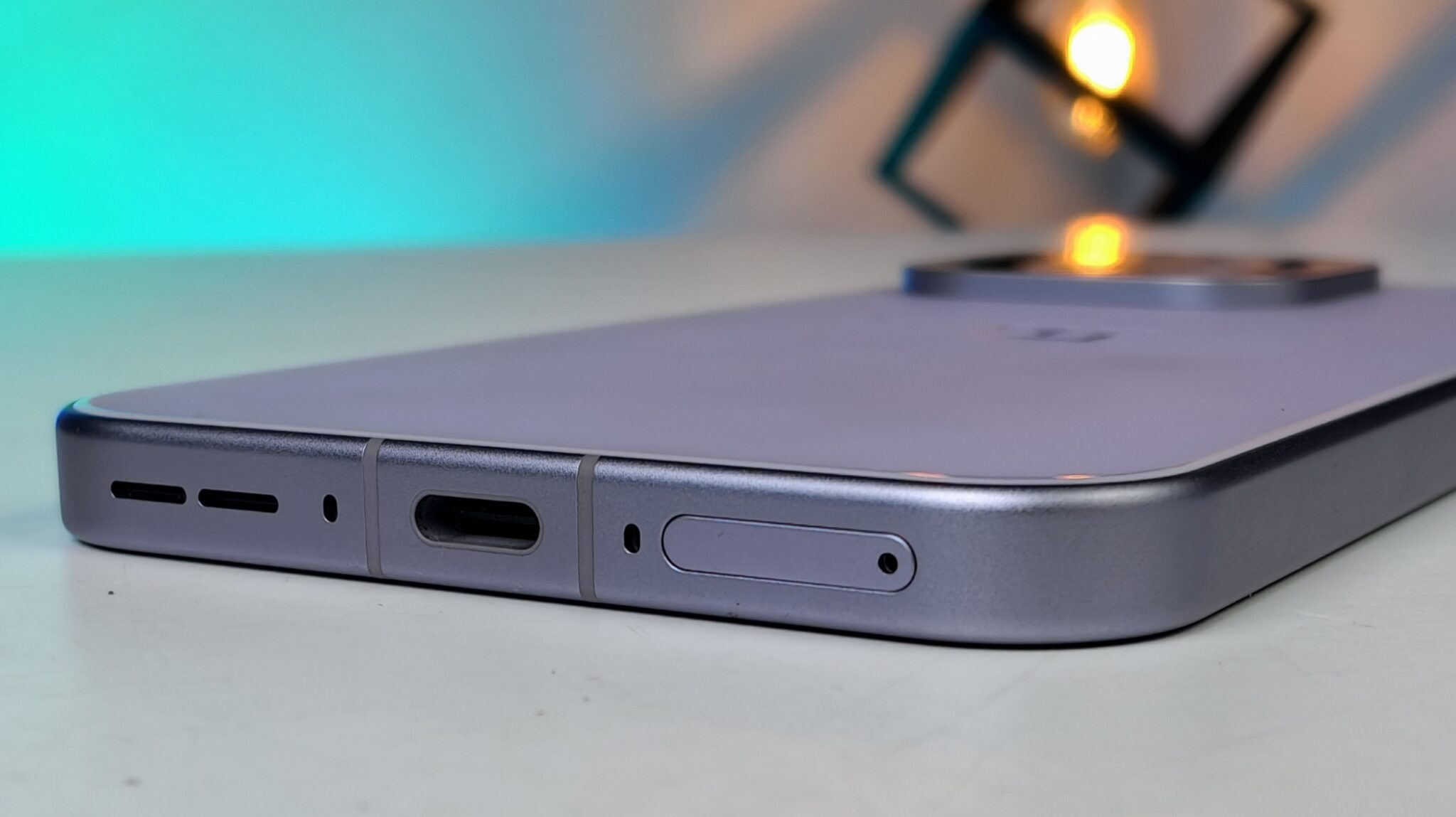
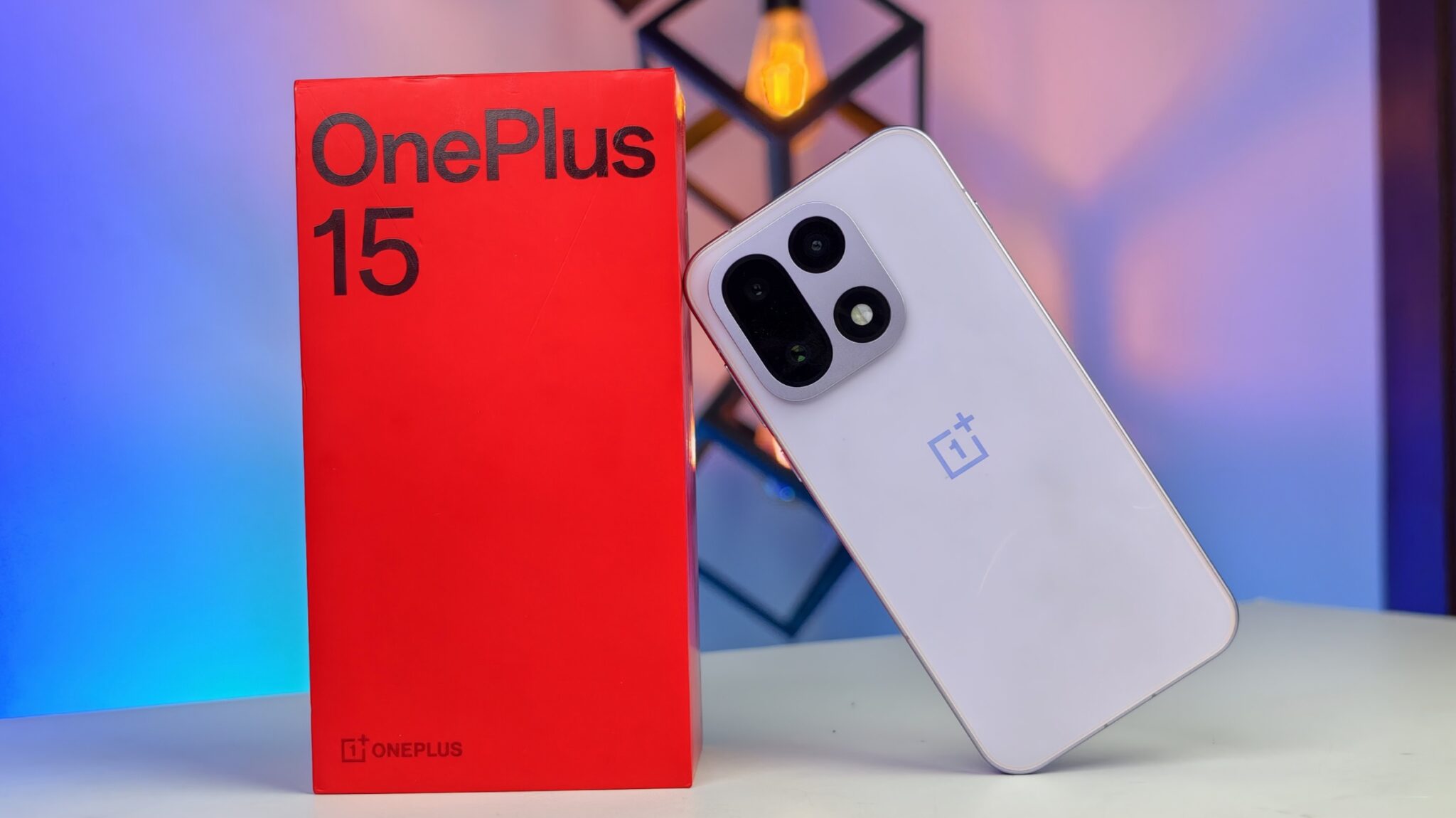
The flat-edged aluminum frame is comfortable to hold, and the rear glass curves just enough to sit nicely in the palm. The camera module is a large, squarish bump, but it’s aesthetically clean.
Now, for the big change: the alert slider is gone. As a long-time OnePlus user, this stings. It has been replaced by a “Plus Key” on the left side. By default, it controls the sound profiles (like the old slider), but you can program it to open the camera, turn on the torch, or launch an app. It’s more functional, yes, but I miss the simple, tactile slide of the old switch that I could use without looking.
Display A 165Hz Speedster
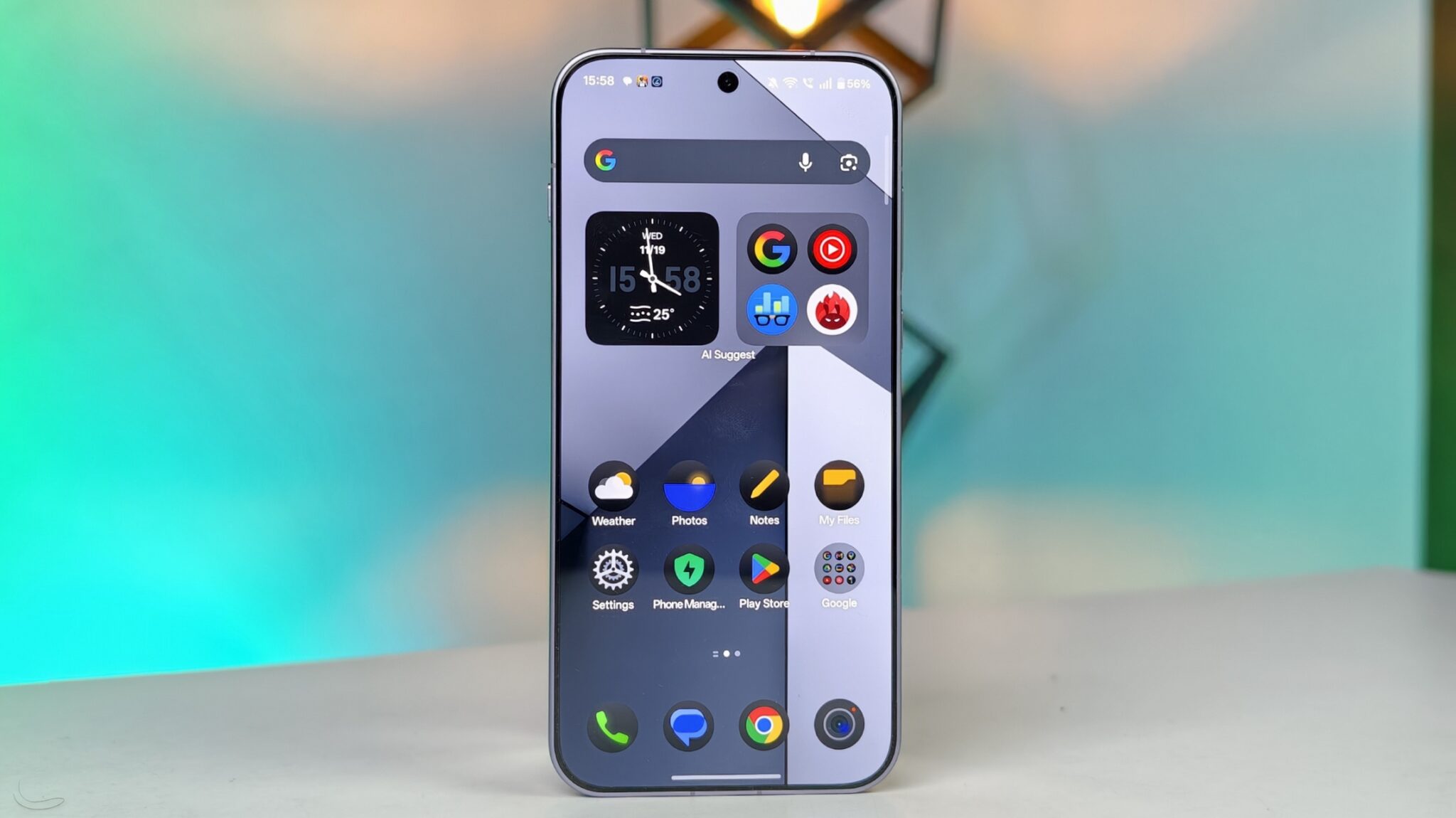
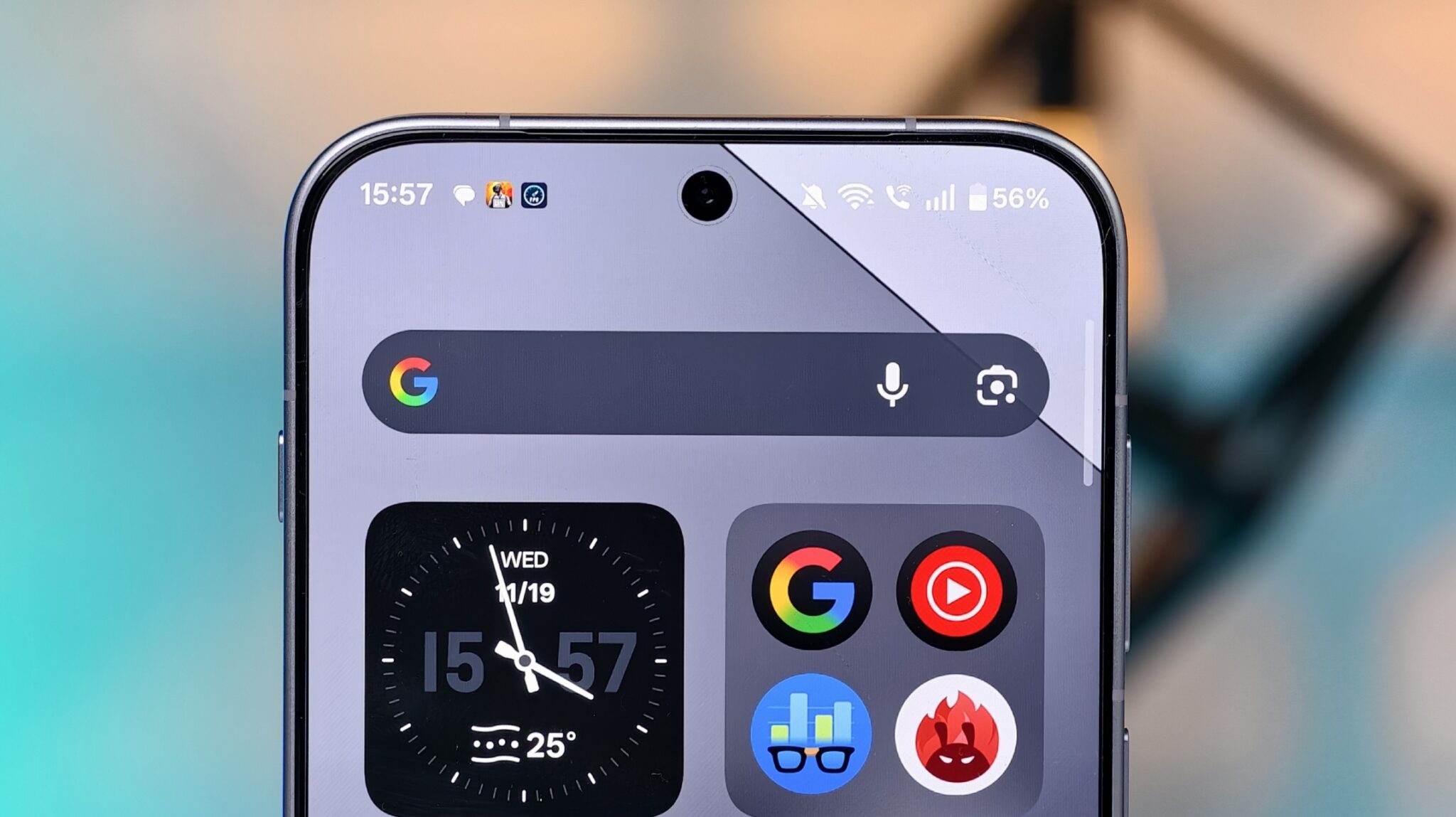
The 6.78-inch display on this phone is fantastic. It’s a 1.5K panel, which is sharper than Full HD+ but easier on the battery than a full 4K or QHD+ screen. It’s a smart compromise. Colors are vibrant, it gets incredibly bright (1800 nits in high brightness mode), and outdoor visibility is no problem at all.
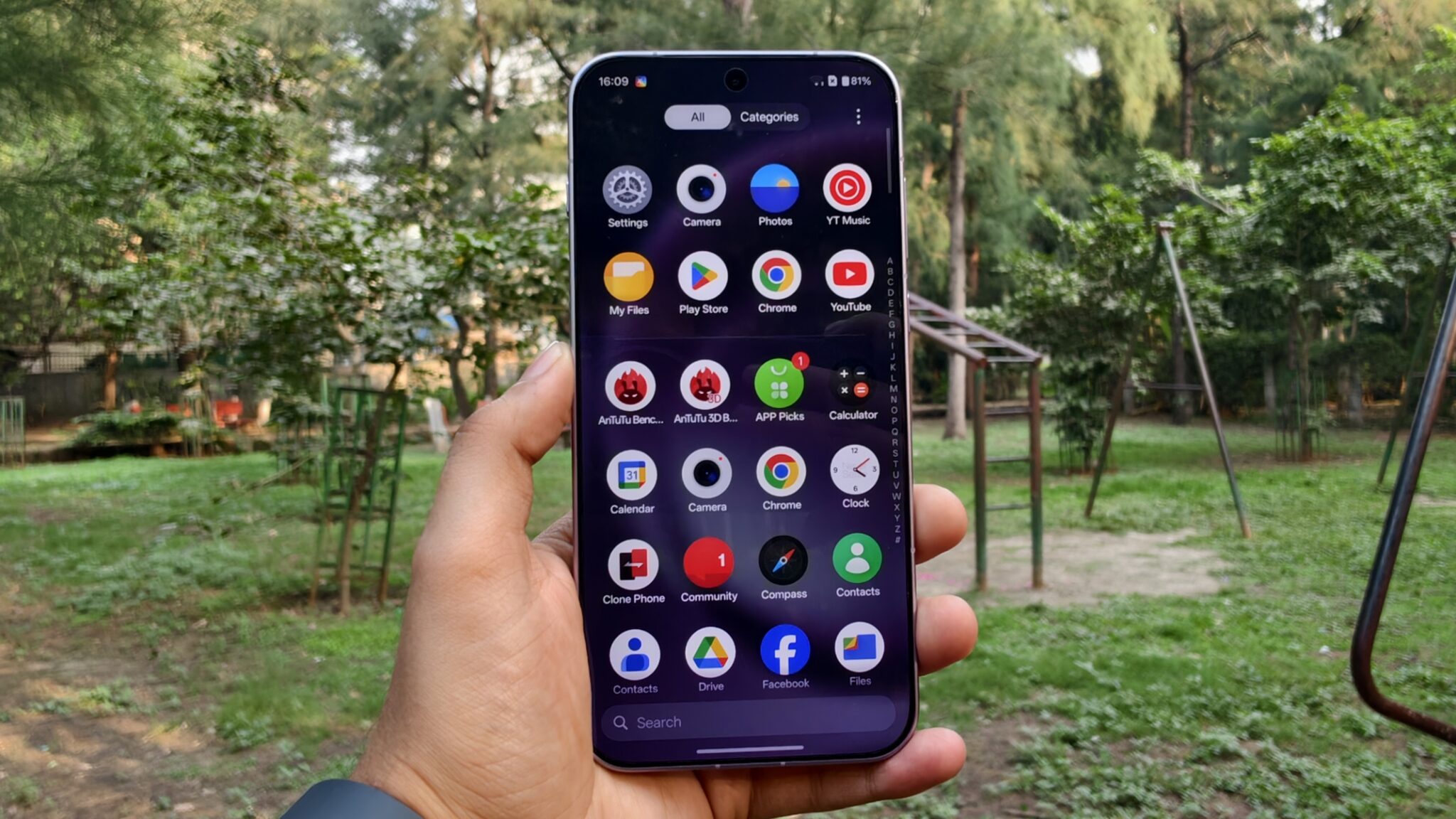
The main selling point is the 165Hz adaptive refresh rate. When you’re scrolling through social media or the system UI, it is buttery smooth. But, I must be honest: my eyes cannot tell the difference between 165Hz and the 120Hz on my previous phone. It’s a number that looks great on a spec sheet, but in practice, 120Hz is already so good that 165Hz offers a tiny improvement. Where it does make a difference is in supported games, like Call of Duty or Brawl Stars, where the extra frames can provide a small competitive edge.
The LTPO technology works well, dropping the refresh rate down to 1Hz on the always-on display to save power. The in-display fingerprint scanner (an ultrasonic one) is fast and reliable.
Performance The Snapdragon 8 Elite Gen 5
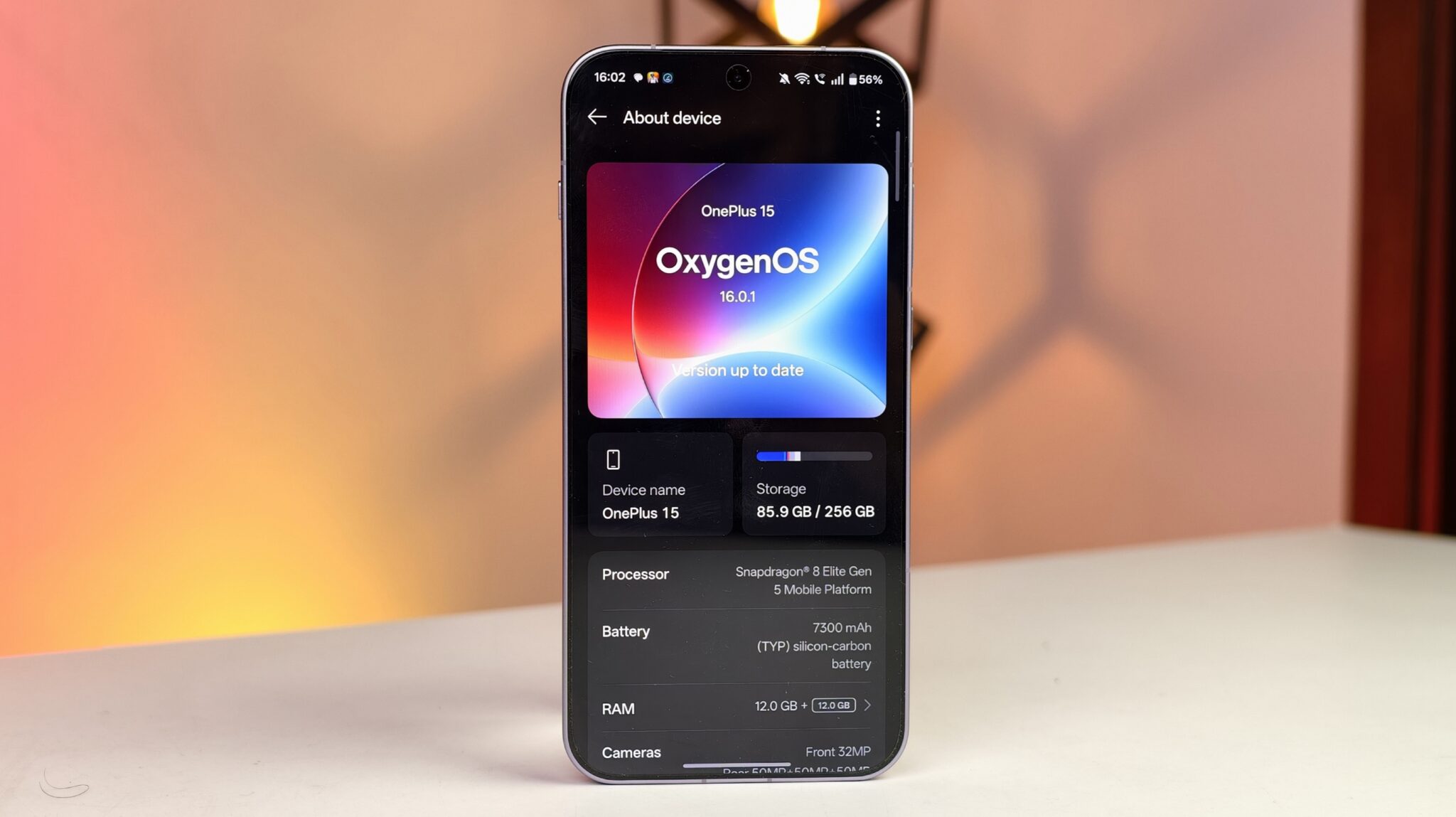
This phone is fast. The new Snapdragon 8 Elite Gen 5 chip is a true top-performer. My 12GB LPDDR5X RAM unit has not stuttered once, no matter what I’ve thrown at it. Apps open instantly, and I can keep a dozen apps in memory and switch between them without any of them needing to reload. The 16GB variant has a much faster LPDDR5X Ultra+ RAM type.
For everyday users, this performance is overkill. You will not slow this phone down.
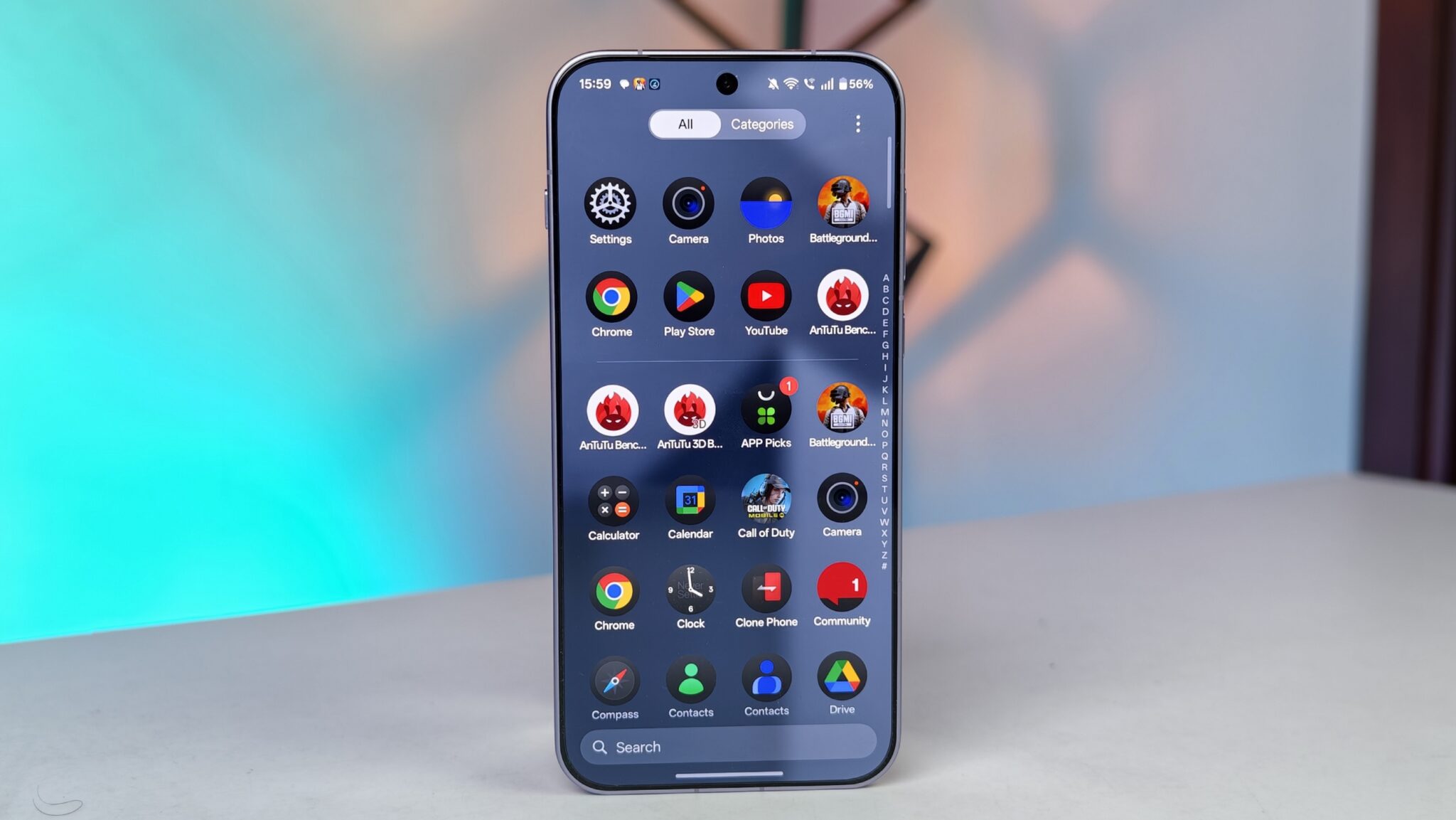
For gamers, this is a dream. I installed Genshin Impact and Call of Duty: Mobile to push it. Call of Duty ran at a locked 165fps on high settings, which was an incredible experience on this display. Genshin Impact, a much more demanding game, held a steady 60fps on high settings without dropping frames. The phone gets warm after about 30-40 minutes of intense gaming, especially near the camera module, but the new Cryo-Velocity cooling system keeps it from getting uncomfortably hot.
The 16GB model with LPDDR5X “Ultra+” RAM is available for ₹7,000 more, but I genuinely don’t think most people need it. 12GB is more than enough for the next few years.
The 7300mAh Battery: A New Standard
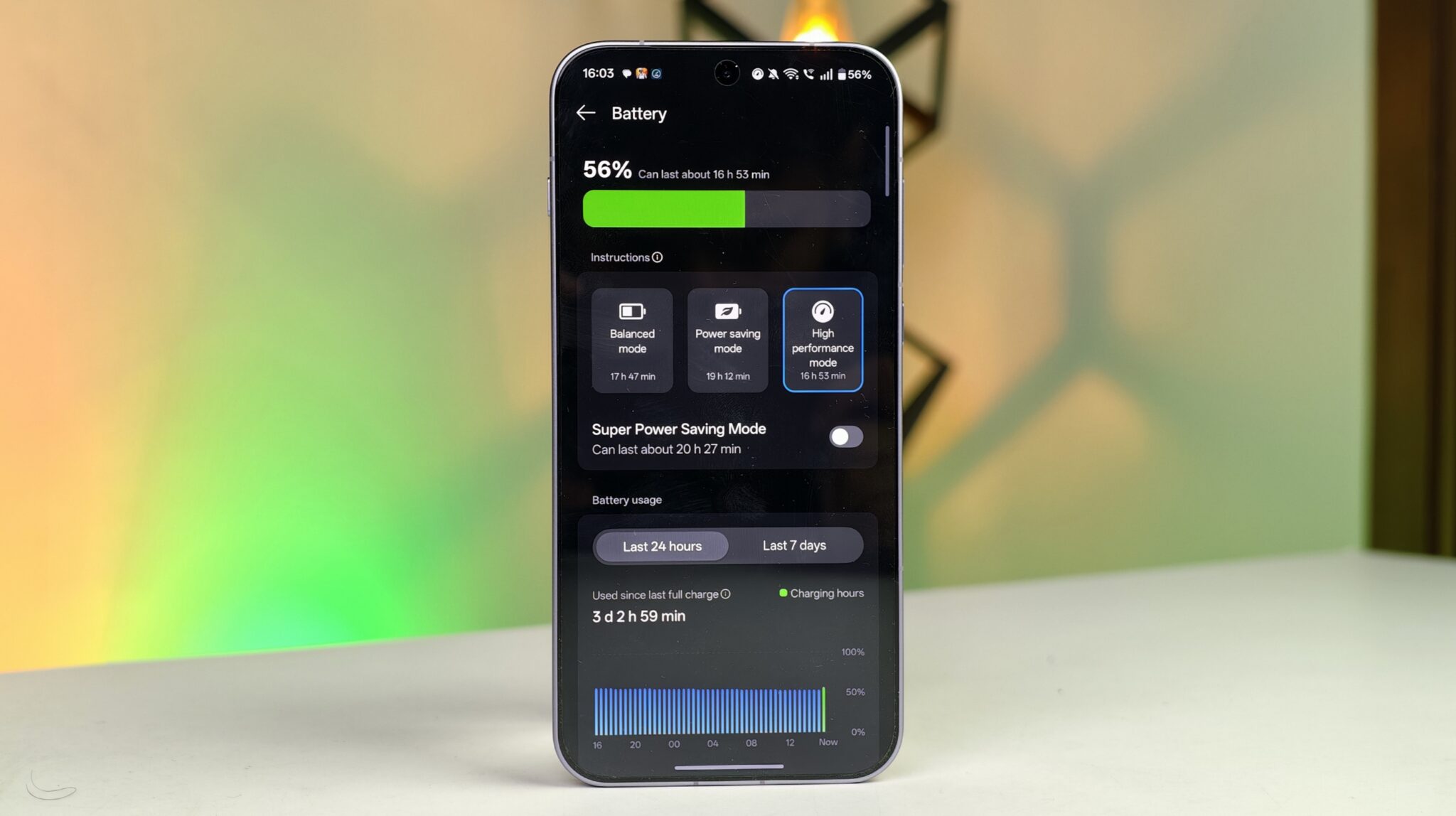
This is the most important part of the review. The 7300mAh battery is, in a word, incredible. It has completely changed how I use my phone. I have stopped carrying a power bank. I no longer feel “range anxiety” if I’m out all day.
Let me give you an example. On a very heavy day, I started at 7 AM. I used Google Maps for an hour, streamed music for two hours, watched about 90 minutes of YouTube, played 45 minutes of Genshin Impact, took about 50 photos, and scrolled Instagram and X (Twitter) constantly. By 11 PM, I still had 35% battery left.
On a normal day of use, I was ending the day with 55-60% remaining. This is a legitimate two-day phone. For a light user, I could even see it stretching to two and a half days. This is the best battery life I have ever experienced on a flagship-tier smartphone.
When it finally does die, the included 120W SUPERVOOC charger is extremely fast. It charged the phone from 1% to 100% in just 39 minutes. That’s a 7300mAh battery. The 50W wireless charging is also convenient.
Cameras Good, but Not the Best
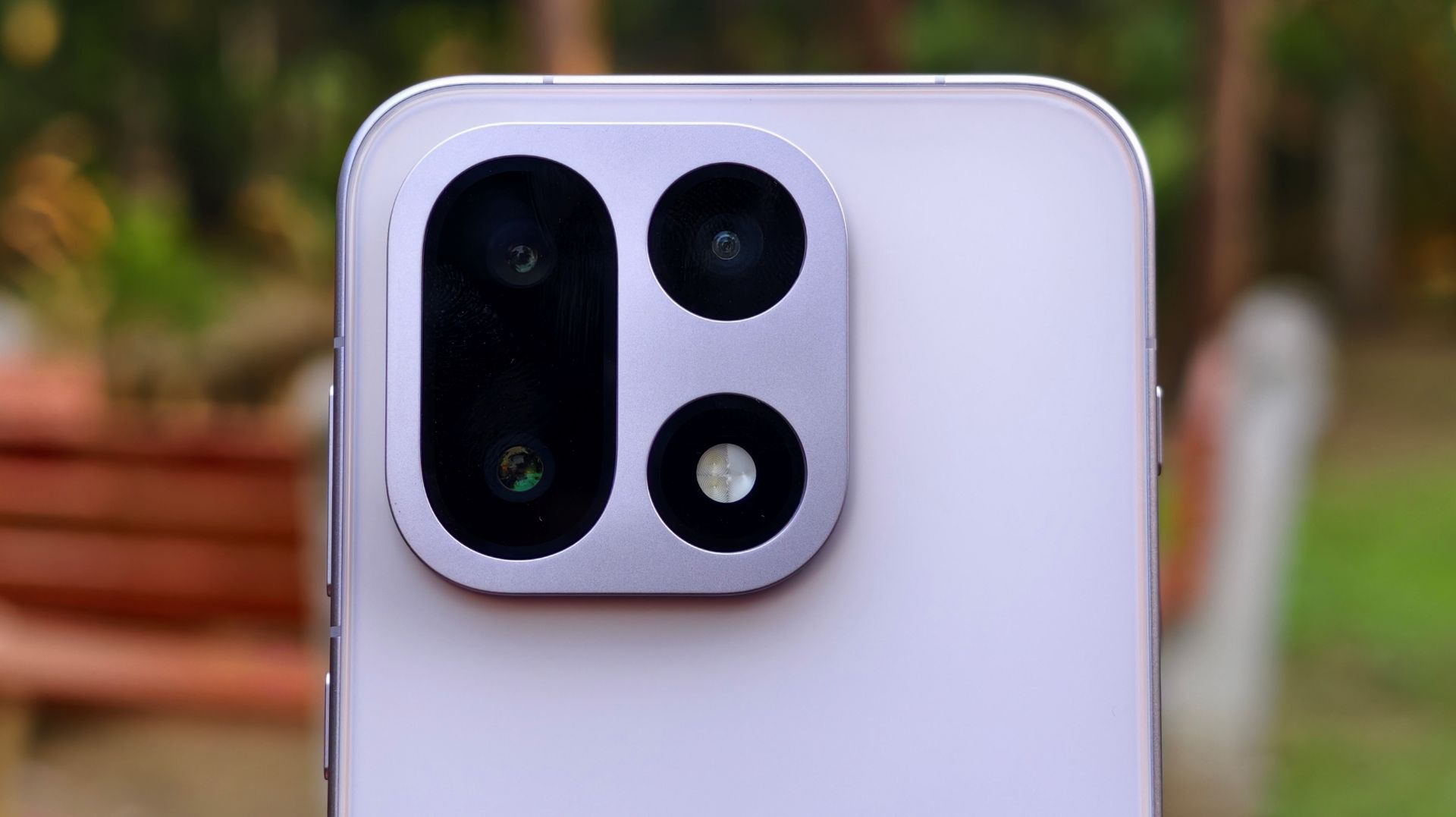
OnePlus has dropped the Hasselblad partnership this year, and the results are… interesting. The phone has a “Triple 50MP” setup.
50MP Main (IMX906): This is a very capable main sensor. In good daylight, photos are sharp, detailed, and have that classic OnePlus look: pleasing, slightly saturated colors that are ready for social media. The dynamic range is good, and it handles bright skies and dark shadows well.
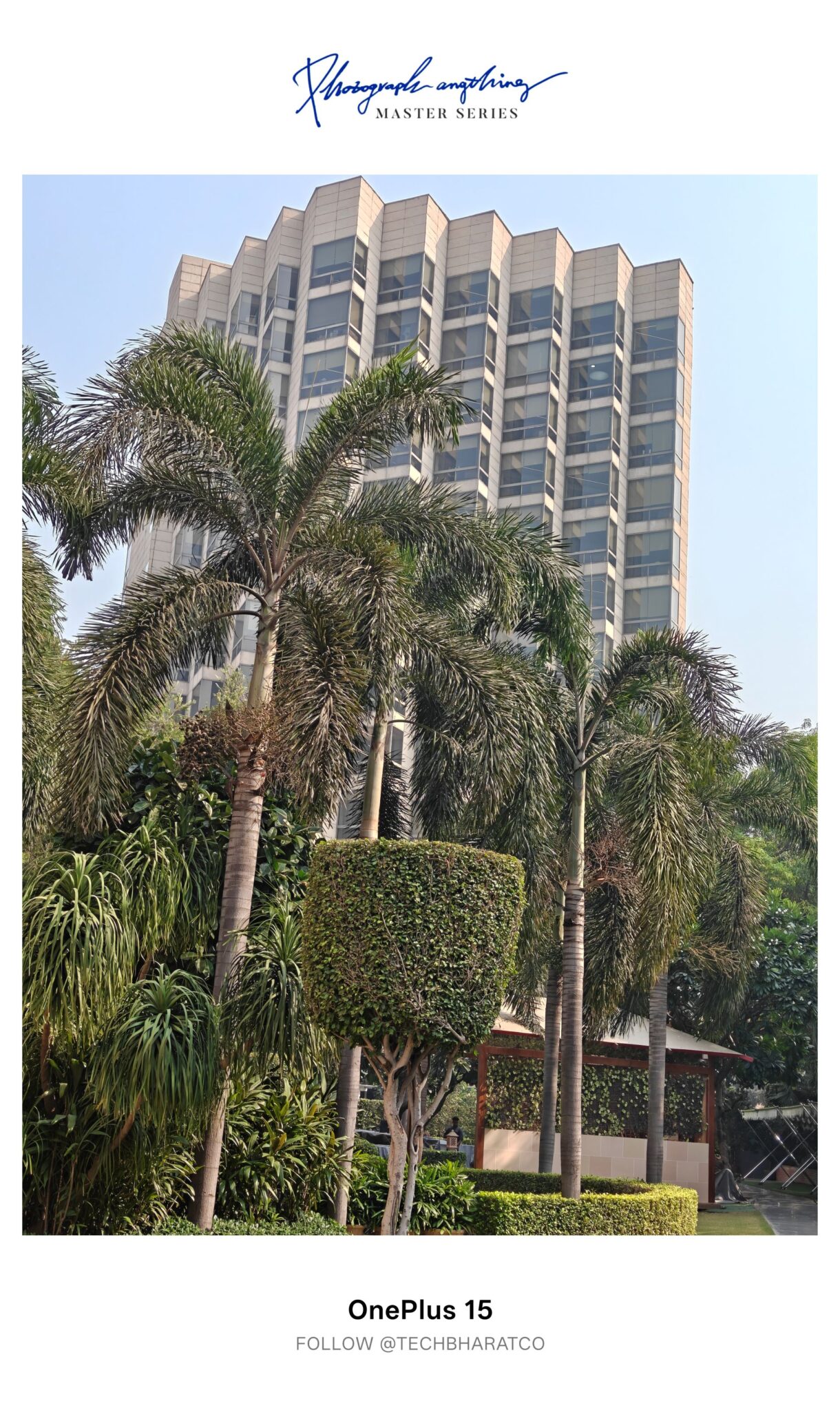
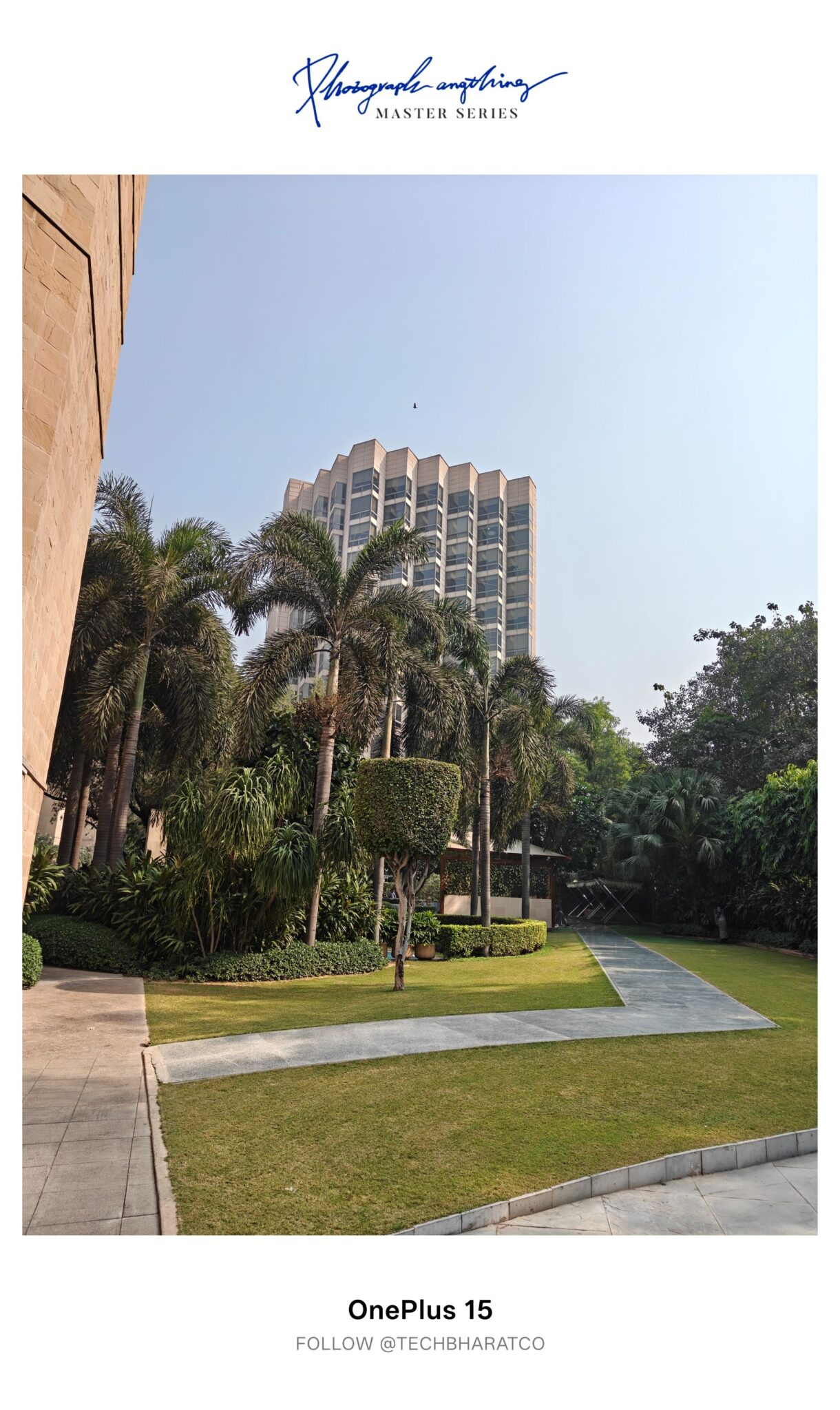



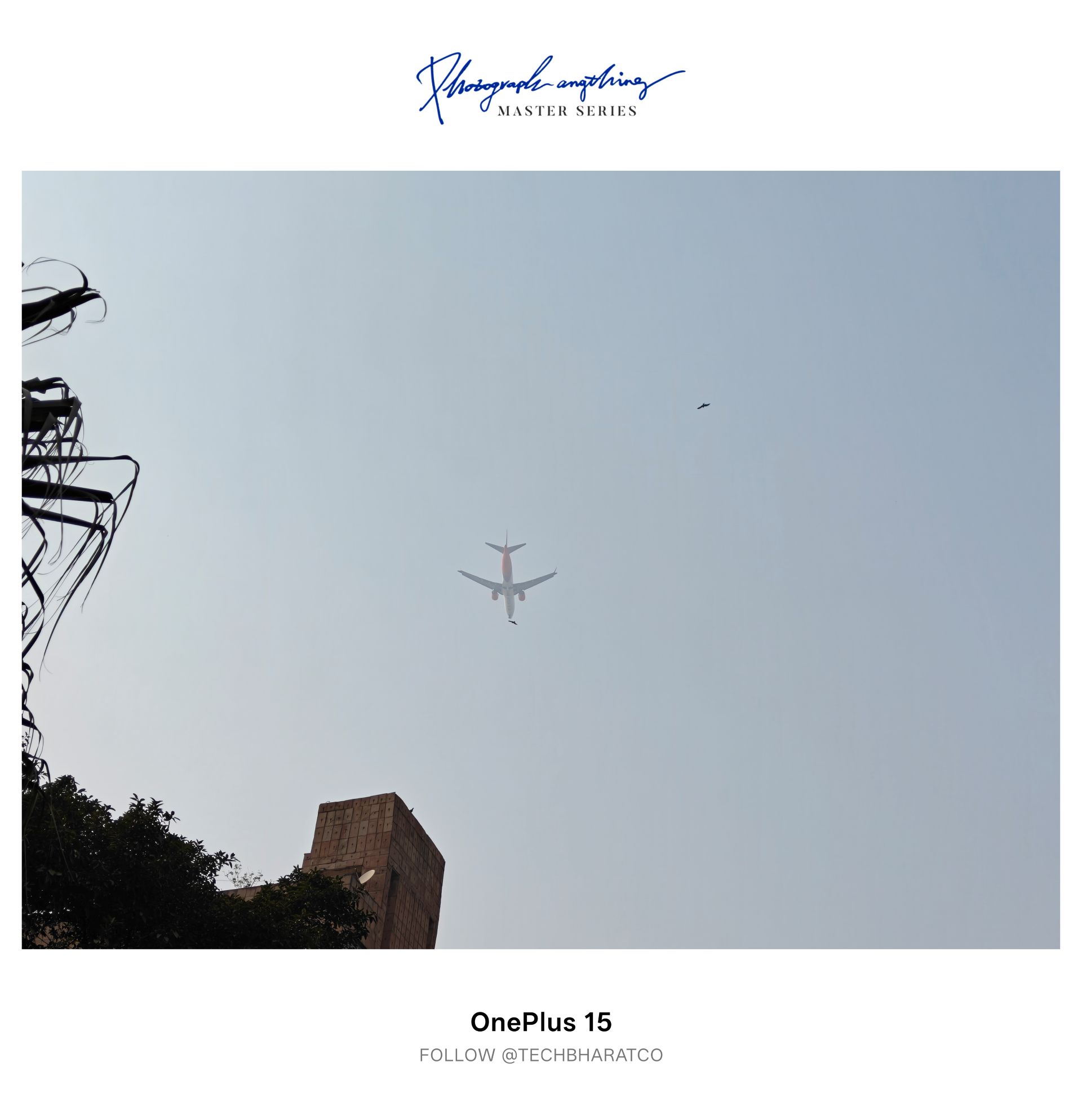


50MP Ultra-Wide: This is a solid ultra-wide. Having 50MP means the photos are much sharper than the 8MP or 12MP sensors we often see. The color is mostly consistent with the main lens, which is a big plus.
50MP Telephoto (3.5x Zoom): This is my favorite of the three. The 3.5x optical zoom is a very useful focal length. The photos are sharp, and the phone offers a 7x “lossless” zoom by cropping the sensor, which also looks surprisingly good.
In low light, the main camera does a good job. It pulls in a lot of light, and the “Clear Night Engine” keeps noise low. However, this is where it falls slightly behind the top-tier competitors like the Google Pixel or Samsung’s Ultra. It can sometimes smooth out details a bit too much, giving a slightly “painted” look.
The real surprise is the video. The ability to shoot 4K at 120fps with Dolby Vision is fantastic. The footage is incredibly smooth, stable (thanks to OIS), and the colors in HDR are beautiful. This is a great phone for anyone who shoots a lot of video.
Software: OxygenOS 16 and AI
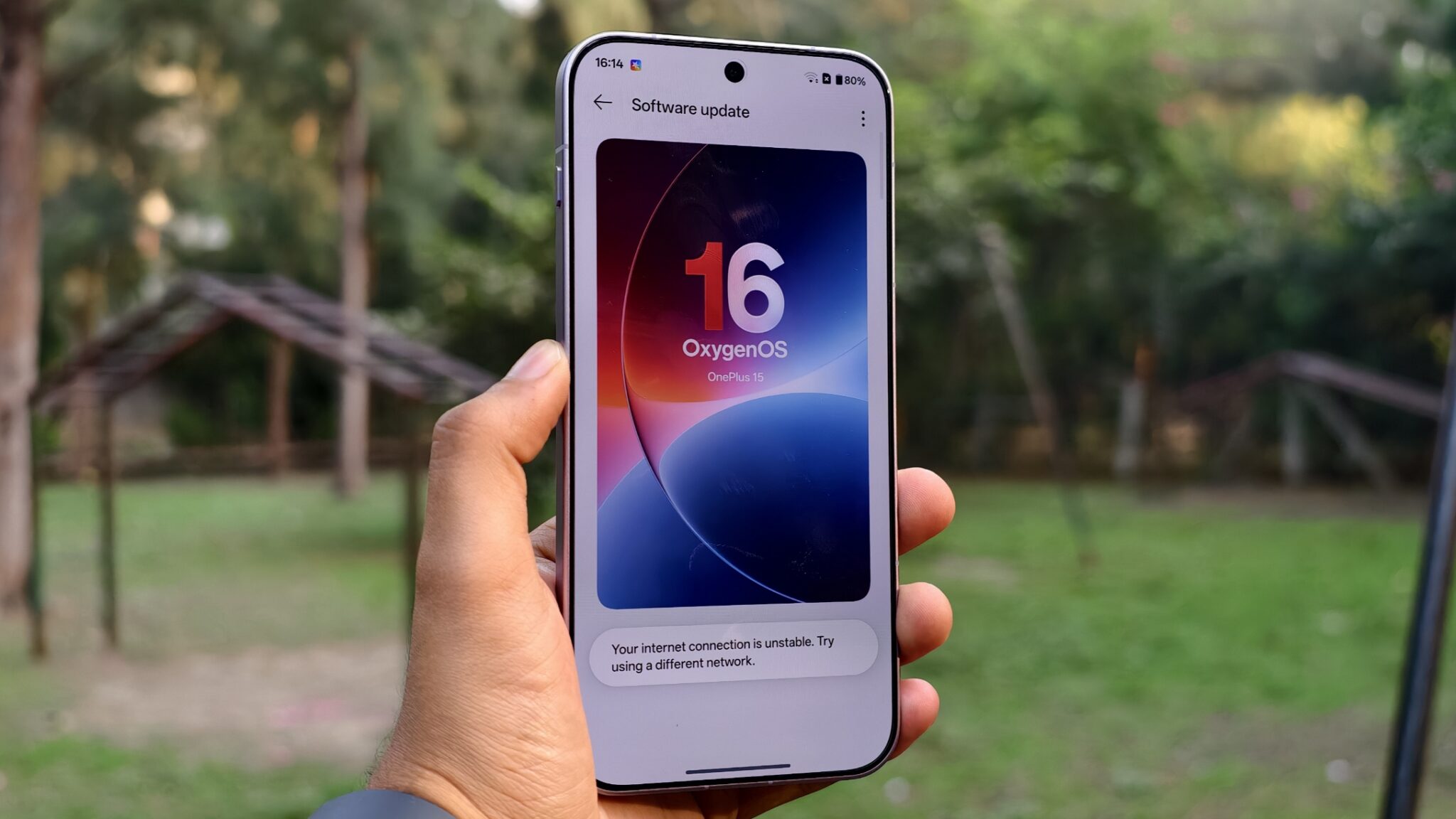
The phone runs OxygenOS 16 on top of Android 16. It’s still one of the cleanest, fastest versions of Android available. There is no bloatware, and the animations are all fluid.
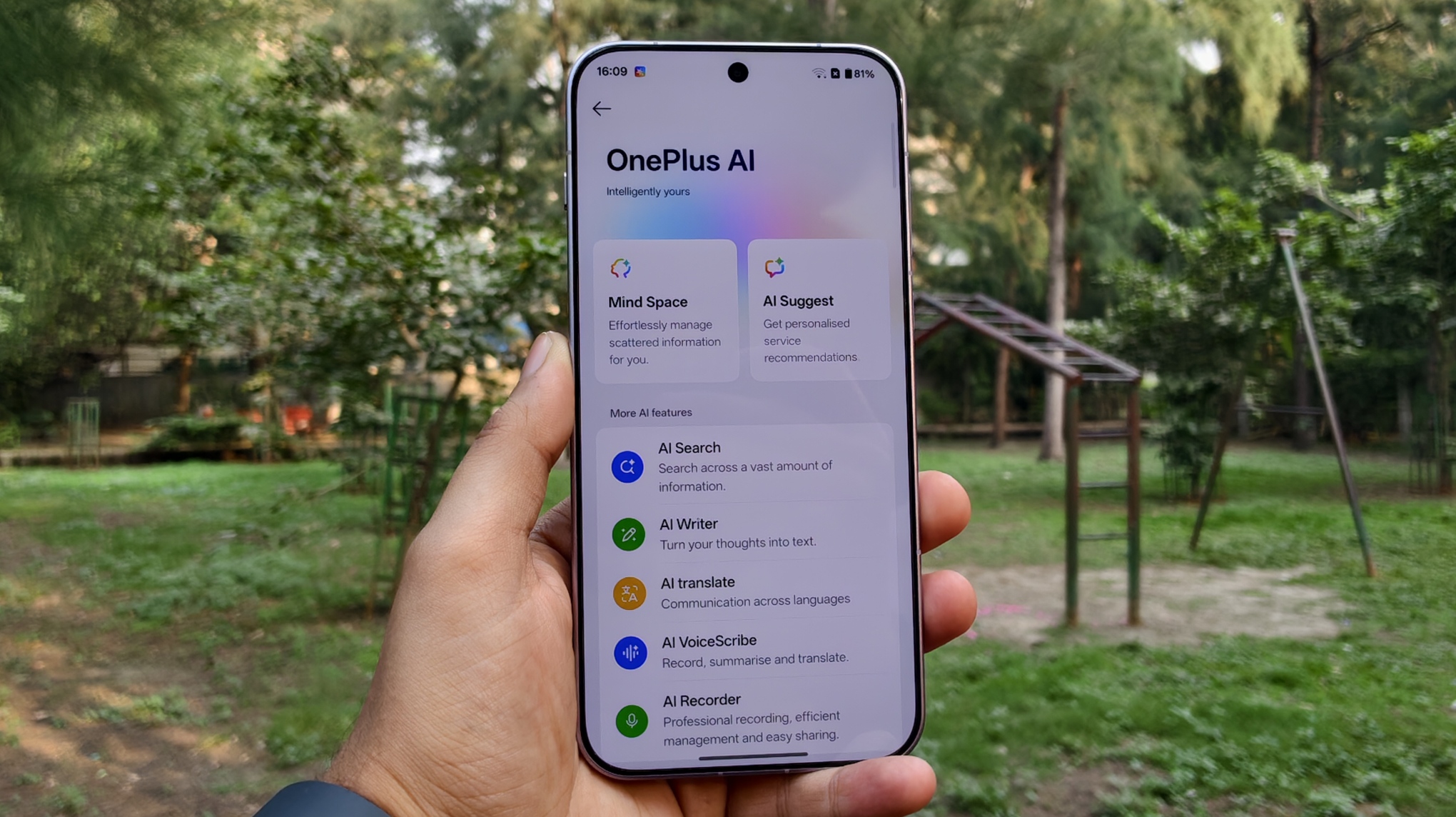
OnePlus is pushing its “Personalised AI” features. This includes things like “AI Writer” to help you draft emails, “AI Recorder” which can transcribe and summarize meetings, and “AI Portrait Glow” to touch up photos. There’s also “Plus Mind,” a new hub that can save content and integrate with Google Gemini to give you suggestions.
I found these features to be… fine. They work as advertised, but they aren’t in your face. The AI mostly works in the background to optimize the battery and display. If you’re buying this phone for its AI, you might be underwhelmed. I see it as a clean, fast operating system with a few extra tools if you want them.
OnePlus 15 Key Specifications
Before we dive in, here are the official specifications for the unit I tested and its sibling.
- Processor: Snapdragon 8 Elite Gen 5 (3nm)
- Display: 6.78-inch 1.5K LTPO AMOLED, 1Hz-165Hz adaptive refresh rate, 1800 nits (HBM), 3600 nits (Peak)
- RAM: 12GB LPDDR5X & 16GB LPDDR5X Ultra+
- Storage: 256GB UFS 4.1 & 512GB UFS 4.1
- Rear Cameras: Main: 50MP Sony IMX906 (1/1.56″) with OIS, Ultra-Wide: 50MP OmniVision OV50D (116° FOV), Telephoto: 50MP Samsung JN5 (3.5x Optical Zoom)
- Front Camera: 32MP Sony IMX709
- Video: 4K at 120fps (Dolby Vision supported), 8K at 30fps
- Battery: 7300mAh Silicon NanoStack
- Charging: 120W SUPERVOOC (wired), 50W AIRVOOC (wireless)
- OS: OxygenOS 16 based on Android 16
- Durability: IP68/IP69K water and dust resistance, Gorilla Glass Victus 2 (front)
- Weight: 211g
- Colors: Sand Storm, Ultra Violet, Infinite Black
Verdict Who Should Buy the OnePlus 15
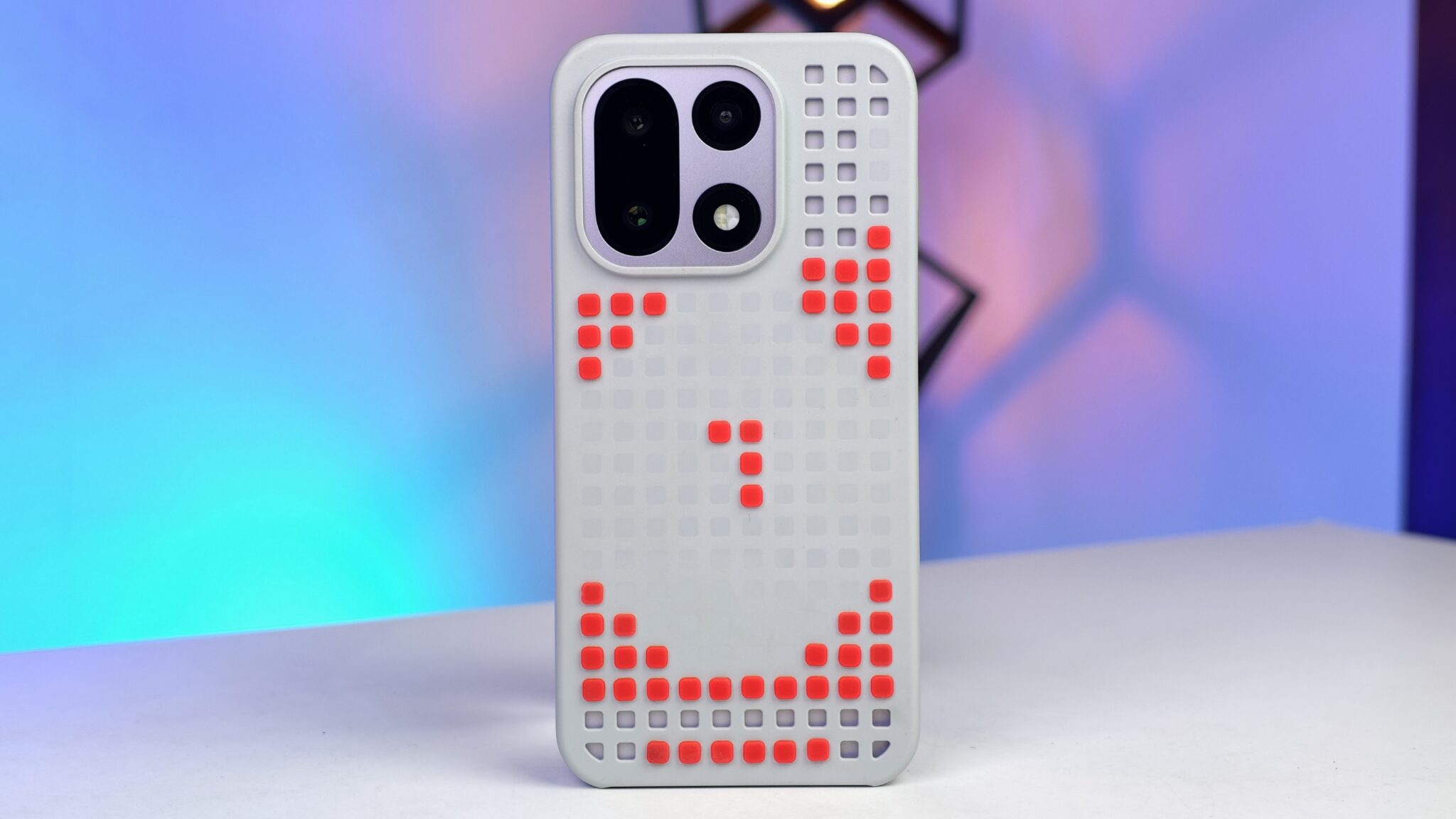
The OnePlus 15 is a very specialized phone. It’s not trying to be the absolute best camera phone. It’s not trying to be the thinnest or lightest phone.
It is, however, trying to be the most reliable, long-lasting performer on the market. And it succeeds.
You should buy the OnePlus 15 if your number one complaint about modern phones is battery life. This phone solves that problem. It’s a workhorse designed for people who use their phone heavily, from gaming to work, and need it to last. The fact that it’s also one of the fastest phones available, with a great screen and very capable video, makes it a strong package.
Is it worth ₹72,999? If you value battery and performance above all else, then yes. The 12GB/256GB model I tested is the smart choice. I see no compelling reason to spend the extra ₹7,000 for the 16GB model. For ₹73k, you get a phone that finally lets you forget where you put your power bank, and in 2025, that’s a feature worth paying for.
Frequently Asked Questions (FAQs)
Q1: Does the OnePlus 15 have an alert slider?
A1: No. OnePlus has removed the physical alert slider and replaced it with a customizable “Plus Key” button on the left side of the phone.
Q2: How fast does the 7300mAh battery charge?
A2: With the included 120W SUPERVOOC wired charger, the phone charges from nearly empty to 100% in about 39-40 minutes. It also supports 50W AIRVOOC wireless charging.
Q3: Is the OnePlus 15 waterproof?
A3: Yes, it has a high durability rating of IP68 and IP69K, meaning it is well-protected against dust, and can be submerged in water. The IP69K rating also protects it against high-pressure water jets.
Q4: Is the 165Hz display a big upgrade over 120Hz?
A4: Visually, it’s very difficult to tell the difference between 165Hz and 120Hz in normal use like scrolling. The 165Hz mode is primarily for a few supported high-frame-rate games.
Q5: Did OnePlus drop the Hasselblad camera branding?
A5: Yes, the OnePlus 15 does not have the Hasselblad partnership. OnePlus is using its own in-house camera software, including a “DetailMax Engine” and “Clear Night Engine.”
Q6: Is the 12GB RAM model enough, or should I get 16GB?
A6: The 12GB RAM model is more than enough for heavy multitasking and gaming. I did not experience any performance issues. The 16GB model is likely unnecessary for most users.